
Cremation, an ancient practice that dates back thousands of years, has been adopted by various cultures and religions across the globe. While many have a vague idea of the process, diving into the actual sequence of events reveals a meticulous and respectful procedure. We’ve carried out detailed research and know the process.
The Intricacies of Cremation: An Ancient Practice
Cremation, a practice steeped in antiquity and embraced by diverse cultures and religions worldwide, involves a detailed and reverent process. Although its basic concept is widely known, a closer examination of the actual cremation procedure unveils a meticulous and dignified sequence of events.
Preparation and Identification
Before the cremation process begins, the body is prepared. This often involves removing medical devices and jewelry. Then, strict identification protocols are followed to ensure the integrity of the process. An identification tag, resistant to the cremation process, is placed with the body to ensure the ashes returned to families are indeed their loved ones’.
The Cremation Chamber
The body is placed in a combustible container, usually made of wood or cardboard. This container, along with the body, is then placed into the cremation chamber, or retort. Made of fire-resistant bricks and powered either by natural gas or propane, the chamber reaches temperatures between 1,400 to 1,800 degrees Fahrenheit.
The Transformation
Over the course of 2 to 3 hours, the body undergoes a profound transformation. Soft tissues vaporize, leaving only bones and certain metal residues behind. What many people envision as “ashes” are, in fact, pulverized bone fragments.
Processing the Remains
Once the cremation is complete, the remains are left to cool for a period. Then, they are carefully gathered and any metal debris (like dental fillings or surgical implants) is separated using a magnet or by manual inspection. The remains are then processed into finer particles, achieving the consistency that most people recognize as cremated ashes.
Returning the Ashes
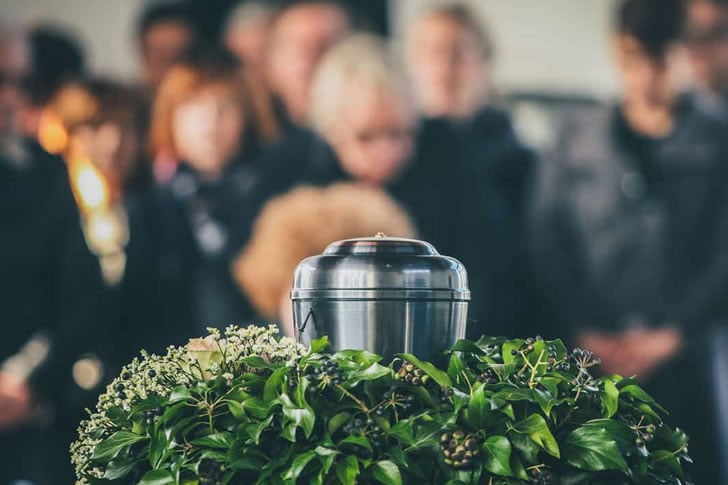
The final ashes are placed in an urn or container of the family’s choosing. They can then be kept, buried, scattered, or memorialized in various ways, depending on the deceased’s wishes and cultural or religious practices.
The profound respect and meticulous attention to detail in the cremation process reflect humanity’s enduring commitment to honoring the departed. While the idea of cremation might initially seem stark or clinical, understanding the process demystifies it and highlights its reverence. Many people, upon learning the intricacies, find themselves deeply moved. Indeed, the journey from life to ashes is a reminder of the fragility of existence and the depth of our rituals to honor and remember those who have passed on.
Recent Comments