


In today’s financial landscape, credit cards have become a pivotal tool for managing personal finances, offering convenience, rewards, and sometimes, a necessary buffer in times of emergency. However, navigating the world of credit cards can be a bit like finding your way through a maze, with each turn presenting a new set of choices and potential pitfalls. We’ve carried out detailed research, you’ll find a variety of credit cards designed to suit different spending habits and financial goals.
What is a Credit Card?
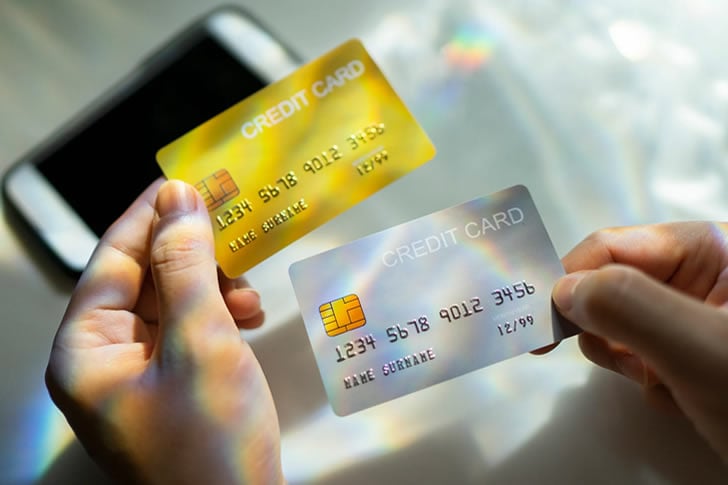
At its core, a credit card is a type of loan. When you use a credit card to make a purchase, you’re borrowing money from the card issuer, up to a certain limit, to pay for your purchase. The issuer, typically a bank or financial institution, then expects you to pay back the borrowed amount. If you pay the full amount before the due date, you usually won’t incur any interest. However, if you carry a balance past the due date, you’ll be charged interest on the amount you owe.
Types of Credit Cards
There are several types of credit cards, each designed with specific users in mind:
- Standard Credit Cards: These are the most basic types of credit cards, offering a straightforward line of credit for purchases.
- Rewards Cards: These cards offer rewards on your spending, which can include cashback, points towards travel, or other perks.
- Balance Transfer Cards: These are designed for individuals looking to transfer a high-interest credit card balance to a card with a lower interest rate.
- Secured Credit Cards: Ideal for those with no credit history or bad credit, secured cards require a deposit that typically serves as your credit limit.
- Student Credit Cards: Tailored for students, these cards often have lower credit limits and simpler qualification requirements.
How to Choose the Right Credit Card
Selecting the right credit card involves evaluating your financial situation, spending habits, and goals. Here are some factors to consider:
- Interest Rates: Look at the Annual Percentage Rate (APR) to understand how much interest you’ll be charged if you carry a balance.
- Fees: Be aware of annual fees, late fees, and foreign transaction fees that can add up quickly.
- Rewards: If you pay off your balance each month, a rewards card can offer significant benefits. Consider what type of rewards (cashback, miles, points) will be most useful for you.
- Credit Limit: This is the maximum amount you can spend on your card. It’s important to have a limit that suits your financial needs but remember, spending up to the limit can negatively impact your credit score.
- Terms and Conditions: Always read the fine print to understand the card’s terms, including interest rate changes, rewards expiration, and other policies.
The Benefits of Using a Credit Card
Credit cards offer several benefits when used responsibly:
- Building Credit: Regular, on-time payments can help build a positive credit history, which is crucial for applying for loans, mortgages, and even some jobs.
- Convenience: Credit cards make it easy to make purchases online and in-person, without the need for carrying cash.
- Rewards and Perks: Many cards offer rewards on purchases, as well as perks like travel insurance, extended warranties, and fraud protection.
- Emergency Buffer: In case of financial emergencies, having a credit card can provide a temporary safety net.
Managing Credit Card Debt
While credit cards offer many advantages, it’s easy to fall into debt if you’re not careful. Here are some tips to manage credit card use:
- Pay Your Balance in Full: Avoid interest charges by paying off your balance each month.
- Use Less Than 30% of Your Credit Limit: This helps maintain a good credit utilization ratio, which can positively affect your credit score.
- Keep Track of Your Spending: Regularly monitor your purchases to avoid overspending.
- Set Up Alerts and Automatic Payments: These can help you stay on top of due dates and avoid late fees.
Conclusion
Credit cards are a powerful financial tool, but they require discipline and understanding to use effectively. By carefully selecting the right card for your needs, staying on top of your payments, and using credit wisely, you can maximize the benefits while minimizing the risks. Remember, the key to successful credit card use is responsible management and making informed choices that align with your financial goals and lifestyle.
Recent Comments