
In today’s world, where our lives are increasingly dependent on electricity, power outages can be more than just an inconvenience; they can pose serious challenges to our safety, comfort, and well-being. This is where home emergency generators come into play, serving as a reliable source of power during unexpected blackouts. In this article, we will explore the importance of home emergency generators, their types, and why every homeowner should consider investing in one.
Read More>>
The Significance of Home Emergency Generators
- Ensuring Safety: Home emergency generators are critical for maintaining safety during power outages. They keep essential systems running, including lighting, heating, and cooling, which are essential for avoiding accidents and maintaining indoor air quality.
- Preserving Food: A power outage can lead to the spoilage of perishable food items stored in refrigerators and freezers. Emergency generators help prevent food wastage by ensuring a continuous power supply to these appliances.
- Medical Support: Many individuals rely on medical devices powered by electricity, such as oxygen concentrators, ventilators, and home dialysis machines. For them, a home emergency generator can be a literal lifeline during an outage.
- Business Continuity: If you work from home or run a small business from your residence, a power outage can disrupt your operations and lead to financial losses. An emergency generator can keep your business running smoothly, even when the grid fails.
Types of Home Emergency Generators
There are two primary types of home emergency generators:
- Portable Generators: These generators are versatile and can be moved to different locations as needed. They are typically smaller and less expensive than standby generators. Portable generators run on various fuels, including gasoline, propane, and diesel. They are suitable for short-term power needs and can provide electricity to essential appliances via extension cords.
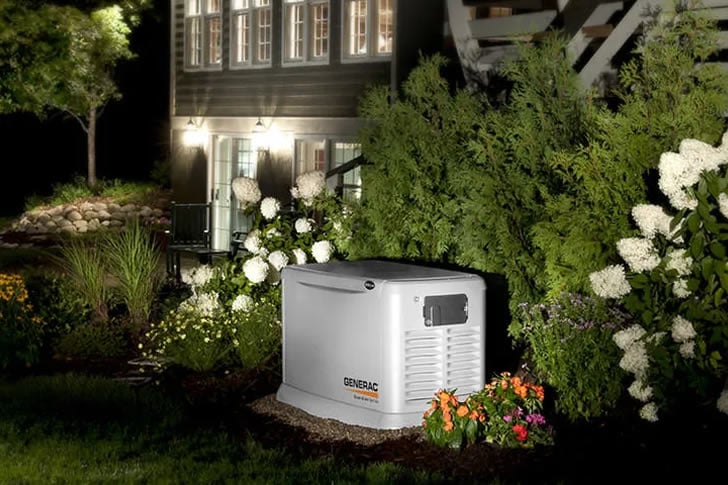
- Standby Generators: Standby generators are permanently installed on the property and are connected directly to the home’s electrical system. They are designed to automatically activate when a power outage occurs, making them ideal for long-term backup power. Standby generators can be powered by natural gas, propane, or diesel fuel and are capable of providing electricity to the entire house, including lights, HVAC systems, and appliances.
Choosing the Right Home Emergency Generator
Selecting the right emergency generator for your home depends on your specific needs and budget. Consider the following factors:
- Power Requirements: Calculate the wattage requirements of the appliances and systems you want to power during an outage. This will help you determine the generator size needed.
- Fuel Source: Decide whether you prefer a generator that runs on gasoline, propane, natural gas, or diesel. Each has its advantages and considerations.
- Budget: Consider your budget for the generator purchase, installation, and ongoing maintenance.
- Professional Installation: Standby generators require professional installation to ensure proper connection and safety. Factor installation costs into your budget.
Conclusion
Home emergency generators are a wise investment for any homeowner looking to safeguard their family, property, and quality of life during power outages. Whether you opt for a portable generator to cover essential needs or a standby generator for comprehensive backup power, the peace of mind they provide is invaluable. In an increasingly uncertain world, having a reliable source of electricity in times of need is a shield of resilience every homeowner should consider.
Recent Comments