


Eczema, affecting millions globally, presents with itchy, red skin patches, significantly impacting quality of life. While incurable, understanding and managing eczema can alleviate symptoms. We’ve carried out detailed research, you’ll find essential information to help demystify this condition.
Understanding Eczema
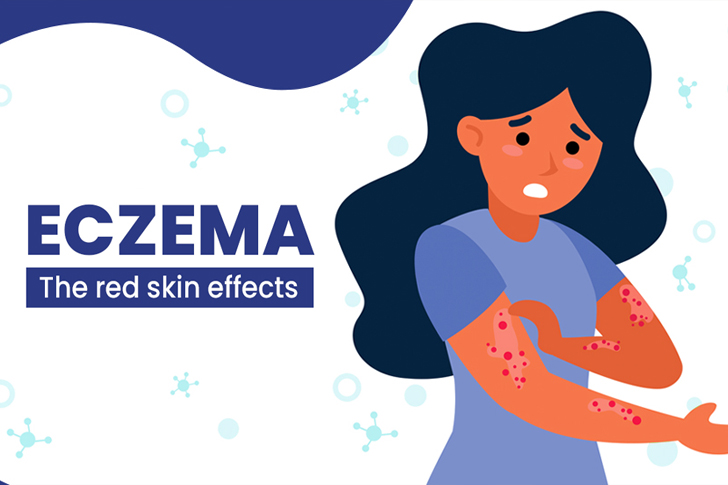
Eczema, also known as atopic dermatitis, is a chronic condition characterized by dry, itchy skin that can become inflamed and red when scratched. It often appears in early childhood, but it can develop at any age. The exact cause of eczema is unknown, but it is believed to be linked to a combination of genetic and environmental factors. People with eczema often have a family history of the condition or other atopic disorders such as asthma or hay fever.
Symptoms and Triggers
The symptoms of eczema can vary from person to person but commonly include dry skin, itching, redness, and inflammation. In severe cases, the skin may become cracked, sore, and prone to infection. Eczema flare-ups can be triggered by various factors, including dry skin, stress, irritants (such as certain soaps or detergents), allergens (like pollen or pet dander), and changes in temperature or humidity.
Diagnosis and Treatment
Diagnosing eczema typically involves a thorough examination of the skin and a review of the patient’s medical history. In some cases, allergy testing may be recommended to identify potential triggers. While there is no cure for eczema, there are various treatments available to manage symptoms and reduce the frequency of flare-ups. These may include moisturizing creams and ointments, prescription topical medications, oral medications, and light therapy.
Self-Care Strategies
In addition to medical treatment, there are several self-care strategies that individuals with eczema can employ to help manage their symptoms. Keeping the skin moisturized is crucial, as dry skin can exacerbate itching and inflammation. Avoiding known triggers, taking lukewarm (not hot) baths or showers, and wearing loose, soft clothing can also help.
Living with Eczema
Living with eczema can be challenging, but with the right treatment and self-care strategies, most people are able to manage their symptoms and lead a normal, active life. It may also be beneficial to connect with support groups or online communities of others who are living with eczema to share experiences and coping strategies.
Recent Advances in Eczema Care
In recent years, there have been significant advances in the understanding and treatment of eczema. New medications, such as biologics, have been developed that target specific pathways in the immune system to reduce inflammation and alleviate symptoms. Ongoing research continues to explore the underlying causes of eczema and potential new treatments.
The Importance of Seeking Medical Advice
If you suspect you or a loved one may have eczema, it is important to seek advice from a healthcare professional. They can provide an accurate diagnosis, help identify triggers, and develop a tailored treatment plan to manage symptoms. Early intervention is key to preventing complications and improving quality of life.
Conclusion
Eczema is a complex skin condition with a variety of triggers and symptoms. While it can be challenging to live with, there are numerous resources and treatment options available to help manage the condition. By understanding what eczema is, recognizing triggers, and implementing effective self-care and medical treatments, individuals with eczema can lead a comfortable and fulfilled life. Remember, you are not alone, and help is available. If you start research for support and information, you can take control of your eczema and live well.
Recent Comments