


In the continuous fight against HIV, medical advancements have been instrumental in offering hope and protection. Among these, Pre-Exposure Prophylaxis, or PrEP, stands out as a powerful preventive treatment. We’ve carried out detailed research, you’ll learn how PrEP could be a life-changing regimen for those at risk of HIV.
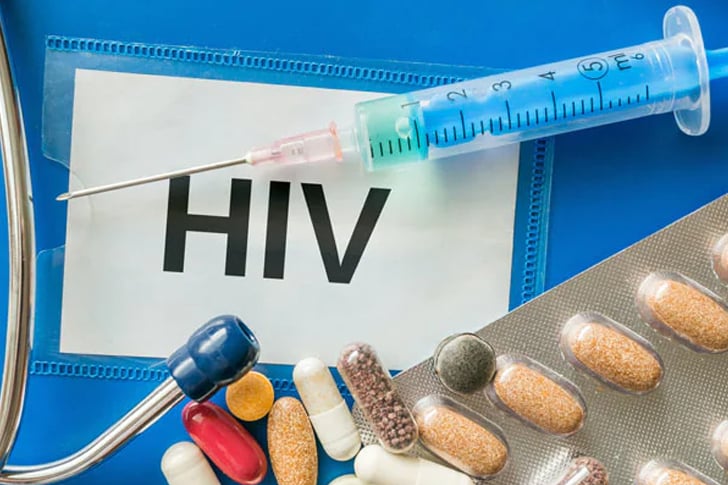
What is Pre-Exposure Prophylaxis (PrEP)?
Pre-Exposure Prophylaxis, commonly referred to as PrEP, is a medication taken by people who do not have HIV but who are at substantial risk of getting it, to prevent HIV infection. When taken consistently, PrEP has been shown to reduce the risk of HIV infection by up to 99% in some studies. It’s a revolutionary step forward in the world of sexual health and infectious disease prevention.
How Does PrEP Work?
PrEP works by maintaining a certain level of HIV medicines in the bloodstream. If an individual is exposed to the virus through sex or injection drug use, these medicines can work to keep the virus from establishing a permanent infection in the body. It is essential to note that PrEP is only effective when taken regularly, as prescribed by a healthcare provider.
Who Should Consider PrEP?
PrEP is recommended for people who are HIV-negative and in the following categories:
- Have a sexual partner who is HIV-positive, particularly if the partner has an unknown or detectable viral load.
- Have had anal or vaginal sex in the past six months and have a sexual partner of unknown HIV status.
- Do not consistently use a condom.
- Have been diagnosed with a sexually transmitted infection (STI) in the past six months.
- Inject drugs, share needles, or are at risk of getting HIV from sex.
Types of PrEP Medications
Currently, there are a few different medications approved for use as PrEP. These include daily oral medications and, more recently, long-acting injectable options. Your healthcare provider can help determine which form of PrEP is best for you based on your lifestyle, overall health, and personal preference.
The Effectiveness of PrEP
When taken as directed, PrEP is highly effective in preventing HIV. However, its effectiveness decreases significantly if it is not taken consistently. Therefore, adherence to the treatment plan is crucial. Individuals on PrEP should engage in regular follow-up visits with their healthcare provider, which includes HIV testing, kidney function tests, and medication adherence counseling.
Starting on PrEP
To start PrEP, you must first undergo an HIV test to ensure you are HIV-negative; PrEP is only for people who are at risk of HIV but do not currently have the virus. You will also need to have regular follow-ups and testing to ensure the continued effectiveness of the treatment.
The Role of PrEP in Overall Health
While PrEP is highly effective in preventing HIV, it does not protect against other STIs or replace other safe sex practices. Condoms are still recommended for the prevention of STIs and as an additional layer of HIV prevention. It is also essential to consider PrEP as part of a broader sexual health plan, which includes regular STI screenings and safe sex education.
Overcoming Barriers to Access PrEP
Despite its effectiveness, there are barriers to accessing PrEP. These include lack of awareness, cost, stigma, and healthcare provider hesitancy to prescribe PrEP due to perceived risks or lifestyle judgments. Efforts are ongoing to improve access through education, advocacy, and health policy changes.
Pre-Exposure Prophylaxis represents a significant milestone in the fight against HIV. As awareness grows and access improves, PrEP stands as a testament to how far we have come in turning the tide against this global epidemic. It empowers at-risk individuals with a choice and a chance to protect themselves in ways previously not possible.
For those considering PrEP, the most crucial step is to start a conversation with a healthcare provider who can provide personalized advice and support. With the right approach, PrEP can be an integral part of maintaining sexual health and well-being.
As the science and availability of PrEP continue to evolve, staying informed is key. Resources such as the Centers for Disease Control and Prevention (CDC) and the World Health Organization (WHO) can provide up-to-date information and guidance. The journey to a world without HIV continues, and PrEP is one of the most powerful tools we have to ensure that future becomes a reality.
Recent Comments