


Esophageal cancer starts in the food-carrying tube from throat to stomach and can be elusive, often detected late. Knowing the signs is key to early diagnosis and better outcomes. We’ve carried out detailed research, you’ll unlock vital insights for early recognition.
Understanding Esophageal Cancer: Identifying Early Signs
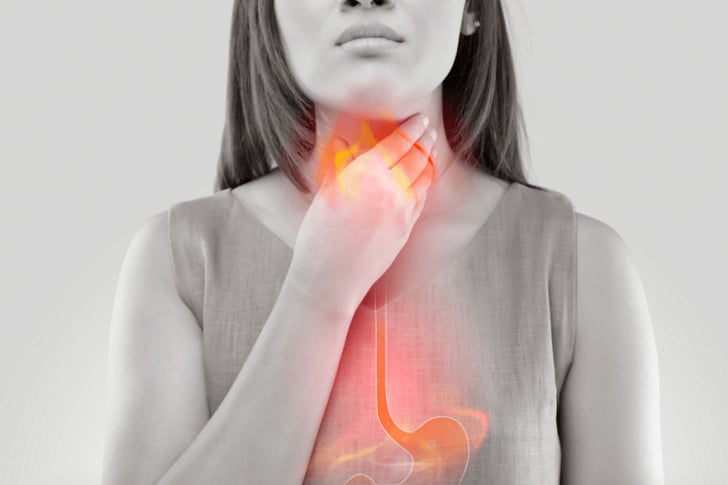
Esophageal cancer is a serious condition that can be life-threatening if not detected and treated early. The esophagus, the tube that connects the throat to the stomach, is relatively hidden deep within the chest. Therefore, detecting tumors or irregularities in the esophagus without medical equipment can be challenging. However, several warning signs and symptoms may point to the presence of esophageal cancer, warranting immediate attention and evaluation by a healthcare professional.
1. Difficulty Swallowing (Dysphagia)
One of the earliest and most common signs of esophageal cancer is difficulty swallowing, a condition medically referred to as dysphagia. This symptom may manifest as a sensation of food sticking in the throat or chest, or even feeling as if you are choking on food. Initially, dysphagia might occur only with solid foods, but as the cancer progresses and narrows the esophagus, it can affect the ability to swallow softer foods and even liquids.
2. Unexplained Weight Loss
Unexplained and unintended weight loss is another significant red flag that should not be ignored. If you find yourself losing weight without a change in your diet or exercise routine, it is crucial to consult a healthcare provider. Esophageal cancer can make swallowing painful and challenging, leading to reduced food intake, malnutrition, and consequently, weight loss.
3. Persistent Heartburn or Indigestion
Persistent heartburn or indigestion that does not respond to over-the-counter medications can be a potential sign of esophageal cancer. While heartburn and indigestion are common and often not serious, their persistence or severity may indicate an underlying issue, such as esophageal cancer. It is essential to consult a healthcare professional if you experience chronic discomfort.
4. Voice Changes and Chronic Cough
Changes in your voice, such as hoarseness or raspiness, or the presence of a chronic cough that persists beyond a cold or allergy season can be indicative of esophageal cancer. The tumor may exert pressure on nerves that affect the voice or cause a persistent cough that does not subside with time.
5. Throat or Chest Pain
Pain or discomfort in the throat or behind the breastbone, particularly when swallowing, can also serve as a warning sign. Additionally, some individuals may experience regurgitation of food or a sensation of food coming back up shortly after eating.
6. Advanced Symptoms
In later stages of esophageal cancer, symptoms may become more severe and include vomiting blood or passing black stools. These symptoms suggest bleeding in the esophagus, which is a concerning complication. Moreover, extreme fatigue, which is a common symptom of cancer in general due to the high energy demand of cancer cells, can also manifest.
It is crucial to note that while these symptoms can be concerning, they may also be attributed to conditions other than cancer. Gastroesophageal reflux disease (GERD), esophageal webs or rings, muscle spasms, or other benign issues can mimic these signs. Therefore, while these symptoms should not be disregarded, they do not automatically indicate esophageal cancer. A comprehensive evaluation by a healthcare provider, including diagnostic tests, is essential for an accurate diagnosis.
Diagnosis and Treatment
Diagnosing esophageal cancer often begins with an endoscopy, a procedure in which a flexible tube equipped with a camera is inserted down the throat to visualize the esophagus’s interior. If abnormalities are detected, a biopsy may be performed to examine tissue samples for the presence of cancer cells.
Treatment options for esophageal cancer vary based on factors such as the cancer’s stage, location, and the patient’s overall health. Common treatment modalities include surgery, radiation therapy, chemotherapy, or a combination of these approaches. Additionally, advancements in medical technology have introduced targeted therapy and immunotherapy as promising treatments for esophageal cancer. Targeted therapy focuses on specific characteristics of cancer cells to inhibit their growth, while immunotherapy harnesses the body’s immune system to combat cancer.
Preventive Measures
Taking proactive steps to reduce the risk of esophageal cancer is essential. Lifestyle modifications, including quitting smoking, reducing alcohol consumption, maintaining a healthy weight, and adopting a diet rich in fruits and vegetables, can significantly lower the risk of developing this form of cancer. These measures not only contribute to overall health but also play a preventive role in esophageal cancer.
In Conclusion
Awareness of the signs and symptoms of esophageal cancer is critical for early detection, which is often a key factor in successful treatment outcomes. While some of the symptoms mentioned above may turn out to be indicative of less serious conditions, it is always advisable to seek prompt medical evaluation if you experience any of these warning signs. Your health is your most precious asset, and staying informed about potential health risks can make a significant difference in your well-being.
Recent Comments