


Offering a full range of emergency dental services 24/7. From toothaches to accidents, our skilled team provides prompt, comprehensive care for all urgent dental needs, ensuring patient comfort and safety around the clock.
Understanding Dental Emergencies
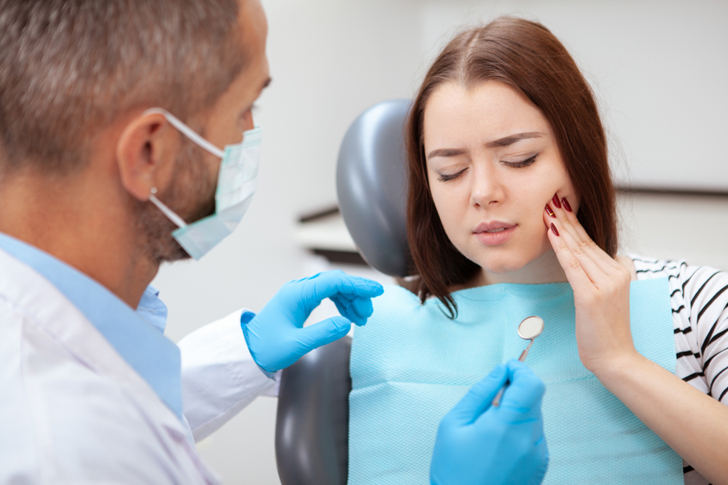
A dental emergency is any oral health issue that requires prompt treatment to stop bleeding, alleviate severe pain, or save a tooth. This can include injuries to the mouth, severe infections, or other conditions that need immediate attention.
Signs You Need Emergency Dental Care
- Severe Toothache: If you experience intense pain that doesn’t subside with over-the-counter painkillers, it may indicate an underlying issue like an abscess or severe decay that requires urgent care.
- Swollen Jaw or Mouth: Swelling in the jaw or mouth, especially if accompanied by pain or fever, can indicate an infection such as an abscess, which can be life-threatening if left untreated.
- Bleeding Gums: While occasional gum bleeding isn’t unusual, persistent or severe bleeding can be a sign of gum disease and needs immediate attention.
- Broken or Cracked Tooth: A severely broken or cracked tooth, particularly if it’s causing pain, requires prompt dental care to prevent further damage or infection.
- Knocked-Out Tooth: A tooth that has been completely knocked out is a dental emergency. Immediate treatment within 1-2 hours can potentially save the tooth.
- Lost Filling or Crown: A lost filling or crown exposes the tooth to potential damage and infection, necessitating quick dental intervention.
Non-Emergency Dental Issues
Some dental problems, while they require a dentist’s attention, may not qualify as emergencies. These include minor toothaches, small chips in teeth, or lost veneers.
What to Do in a Dental Emergency
- Contact Your Dentist Immediately: Most dentists offer emergency services or can refer you to an emergency dental clinic.
- Manage Pain and Swelling: Apply a cold compress to the outside of your mouth to reduce swelling and pain until you get professional care.
- Preserve a Knocked-Out Tooth: Keep a knocked-out tooth moist (in milk or in your mouth next to your cheek) until you reach the dentist.
- Rinse Your Mouth: If you’re bleeding, gently rinse your mouth with warm water.
How to Prevent Dental Emergencies
- Regular Dental Check-Ups: Regular visits to your dentist can prevent issues from escalating into emergencies.
- Good Oral Hygiene: Brushing twice a day, flossing daily, and using mouthwash can help prevent dental issues.
- Use Mouthguards: If you participate in sports, wear a mouthguard to protect your teeth from injury.
Cost of Emergency Dental Care
Emergency dental care can be more expensive than routine visits. Consider discussing payment options with your dentist if you’re concerned about the cost.
Understanding Your Dental Insurance Coverage
Check your dental insurance policy to understand what types of emergency treatments are covered.
When to Go to the Hospital
For severe infections, extensive facial trauma, or uncontrolled bleeding, go to the hospital immediately.
Dealing with Dental Anxiety During Emergencies
If you have dental anxiety, inform your dentist so they can take steps to make you more comfortable during the emergency treatment.
Aftercare Following Emergency Dental Treatment
Follow your dentist’s instructions for aftercare to ensure proper healing and prevent further issues.
Identifying Dental Emergency Services Near You
Research in advance to know where you can find emergency dental services in your area.
The Role of Tele-Dentistry in Dental Emergencies
Some dental issues can be initially assessed through tele-dentistry, providing guidance on whether immediate in-person care is needed.
Educating Yourself About Dental Health
Educating yourself about common dental issues can help you make informed decisions about when to seek emergency care.
Conclusion
Recognizing when you need emergency dental care is vital for your oral and overall health. By understanding the signs of dental emergencies, taking immediate action, and knowing how to prevent such situations, you can ensure that you’re prepared to handle these urgent dental issues effectively. Remember, timely treatment by a professional is crucial in dental emergencies to alleviate pain, save teeth, and prevent long-term complications.
Recent Comments