


Filing back taxes can seem daunting, especially if you’re navigating the process for the first time. However, with the advancement of online tax services, catching up on unpaid or unfiled past taxes has become more manageable. We’ve carried out detailed research, you’ll find user-friendly online platforms and resources to guide you through filing your back taxes.
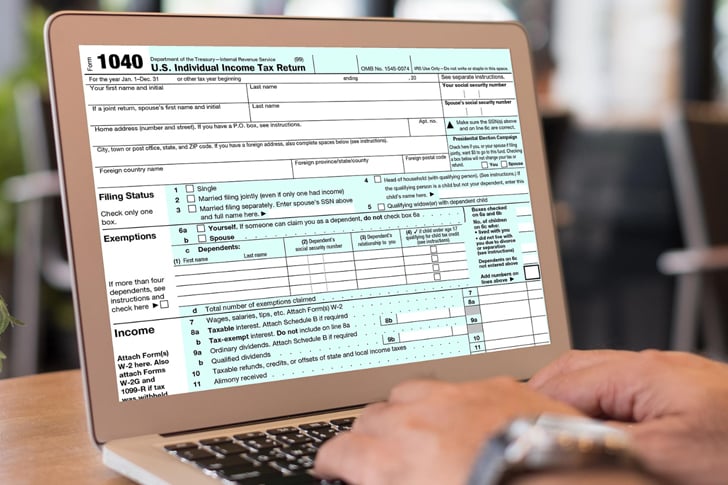
Understanding Back Taxes
Back taxes are any taxes owed from previous years that have not been filed or paid. This situation can occur for various reasons, such as missing the filing deadline or underreporting income.
Why It’s Important to File Back Taxes
Filing back taxes is crucial to avoid potential penalties, interest charges, and legal consequences. It also ensures you are in good standing with the Internal Revenue Service (IRS) or other tax authorities.
Step-by-Step Guide to Filing Back Taxes Online
- Gather Necessary Documents: Collect all relevant financial documents for the years you didn’t file. This includes W-2s, 1099s, expense receipts, and any other pertinent records.
- Access Previous Tax Records: If you’re missing documents, you can request a tax transcript from the IRS to view your past income and tax information.
- Choose an Online Tax Filing Service: Several online platforms can assist with filing back taxes, such as TurboTax, H&R Block, and TaxAct. Ensure the service covers the specific tax year you need to file for.
- Enter Your Information: Carefully enter your income, deductions, and credits for the specific tax year. Accuracy is crucial to avoid further issues with the IRS.
- Calculate Taxes Owed or Refund Due: The online service will calculate the taxes you owe or the refund you’re entitled to, including any penalties and interest.
- Submit Your Tax Return Electronically: Most online services allow you to e-file your tax return directly with the IRS. If e-filing isn’t an option for older tax years, you may need to mail your return.
- Arrange Payment if You Owe Taxes: If you owe taxes, make arrangements to pay as much as you can. The IRS offers payment plans if you can’t pay the full amount immediately.
Using IRS Free File for Back Taxes
For those who qualify, IRS Free File is a partnership program between the IRS and tax software companies that offer free tax preparation software for individuals with lower incomes.
Understanding Penalties and Interest
If you owe back taxes, be aware that penalties and interest accrue from the original due date of the tax return.
Setting Up a Payment Plan
The IRS offers various payment plan options for those who cannot pay their tax debt in full. This includes installment agreements that allow you to pay over time.
Seeking Professional Help
If you’re overwhelmed, consider seeking help from a tax professional like a CPA (Certified Public Accountant) or an Enrolled Agent. They can provide guidance, especially if you have a complex tax situation.
Avoiding Tax Scams
Be cautious of scams and fraudulent services. Always use reputable and IRS-approved tax filing services.
Checking State Tax Obligations
In addition to federal taxes, ensure you’re also compliant with any state tax requirements for past years.
Importance of Filing Even If You Can’t Pay
Filing your back taxes is crucial even if you can’t pay the full amount owed. The failure-to-file penalty is generally more than the failure-to-pay penalty.
Keeping Copies of Your Filed Tax Returns
Always keep copies of your filed tax returns and documentation for at least three years in case of audits or questions from the IRS.
Learning from the Past
Use this experience to stay on top of your tax obligations moving forward. Consider setting reminders for future tax deadlines and organizing your financial records regularly.
Understanding Tax Forgiveness Programs
In some circumstances, you may qualify for programs like the Offer in Compromise, where the IRS agrees to settle your tax debt for less than the amount owed.
Staying Informed About Tax Laws
Tax laws change frequently. Stay informed about any changes that could affect your future tax filings.
Benefits of Filing Back Taxes Online
Filing back taxes online offers convenience, accuracy, and often quicker processing times compared to paper filing.
Conclusion
Filing back taxes online is a manageable task when approached methodically. By gathering the right documents, choosing a suitable online filing service, and understanding your payment options, you can resolve your back tax issues efficiently. Remember, addressing back taxes promptly can prevent further penalties and provide peace of mind, ensuring your financial health is secure.
Recent Comments