


Knee pain is a common ailment affecting people of all ages. Symptoms can vary from mild discomfort to severe pain that impacts daily life. To find effective relief, it is important to understand the causes of knee pain and explore suitable treatment options. As you start exploring the options below, you will discover a variety of ways to treat your knee pain.
Causes of Knee Pain
Knee pain can be caused by a variety of factors. Some of the most common causes include:
- Arthritis: One of the most common causes, especially in older people. Arthritis leads to inflammation and pain in the knee.
- Injuries: Sports injuries or accidents can lead to ligament, tendon, or meniscus damage.
- Overuse: Long-term overuse of the knee can lead to pain and inflammation.
- Degeneration: As you age, knee joints can wear out, causing pain.
Diagnosis
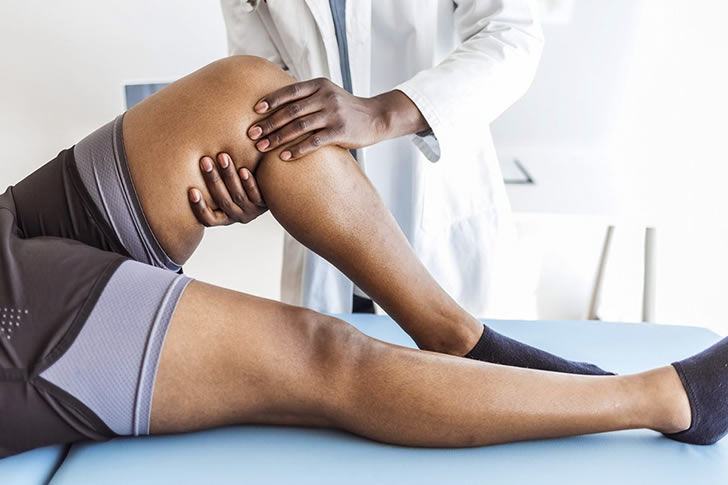
Diagnosing the cause of knee pain is the first step to effective treatment. A doctor will typically conduct a physical examination and may order imaging tests such as X-rays or MRI. Accurate diagnosis helps in choosing the most suitable treatment.
Conservative Treatment Methods
Many cases of knee pain can be effectively treated with conservative methods. These include:
- Rest and Ice: For acute injuries, rest and the application of ice can help reduce swelling and pain.
- Physical Therapy: A specially tailored exercise program can help strengthen the muscles around the knee and improve mobility.
- Pain Medication: Drugs such as nonsteroidal anti-inflammatory drugs can be used to relieve pain and inflammation.
Surgical Options
In some cases, especially with severe injuries or advanced arthritis, surgery may be necessary. Arthroscopic surgery, partial or total knee joint replacement are some of the options available. These procedures can significantly improve quality of life but require careful consideration and discussion with the treating physician.
Alternative Treatments
In addition to traditional medical treatments, there are also alternative methods that can help with knee pain:
- Acupuncture: This traditional Chinese medicine method can help alleviate pain and improve knee function.
- Chiropractic: Manual adjustments by a chiropractor can be helpful for certain types of knee pain.
- Dietary Supplements: Certain supplements, like glucosamine and chondroitin, are often used to support joint health.
Prevention
Prevention is an important aspect of avoiding knee pain. Regular exercises to strengthen leg muscles, maintaining a healthy weight, and avoiding overuse can help reduce the risk of knee pain.
Conclusion
Knee pain can significantly impact daily life, but there are many treatment options that can provide relief. From conservative methods to surgical interventions, the most important thing is to get the right diagnosis and develop an individual treatment plan with your doctor. Remember, early treatment offers the best chances of success, and prevention is key to maintaining knee health.
In a world where we are becoming increasingly active and living longer, the health of our knees is more important than ever. By understanding the causes and exploring different treatment options, you can actively contribute to relieving your knee pain and improving your quality of life.
Recent Comments