


In today’s efficiency-driven era, the gas tankless water heater stands out for its blend of convenience, cost-effectiveness, and eco-friendliness. As 2024 progresses, it’s not just a trend but a practical choice for modern homes. We’ve carried out detailed research, you’ll see why.
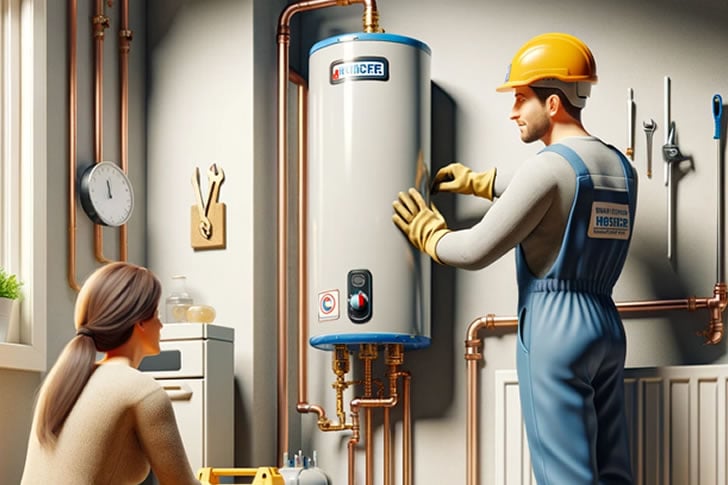
Understanding Gas Tankless Water Heaters
Gas tankless water heaters, often referred to as on-demand or instant water heaters, provide hot water only as it is needed. Unlike traditional storage water heaters that constantly heat and reheat water in a tank, these systems heat water directly without the use of a storage tank. When a hot water tap is turned on, cold water travels through a pipe into the unit, where a gas burner heats the water. This process ensures a constant supply of hot water, a luxury not offered by traditional tank systems.
Advantages of Gas Tankless Water Heaters
- Energy Efficiency: One of the most significant advantages of gas tankless water heaters is their energy efficiency. By heating water on demand, they eliminate the standby energy losses associated with tank systems. This can translate to considerable energy and cost savings over time.
- Space Savings: These units are compact and can be mounted on a wall, freeing up valuable floor space in your home.
- Longer Lifespan: Generally, gas tankless water heaters have a longer lifespan compared to traditional tank heaters, often lasting up to 20 years or more.
- Consistent Hot Water Supply: They provide a continuous flow of hot water, making them ideal for families or situations where hot water usage is high.
- Environmental Impact: By being more energy-efficient, these heaters contribute to reduced greenhouse gas emissions, aligning with environmentally-conscious living.
Is a Gas Tankless Water Heater Right for You?
Deciding if a gas tankless water heater is suitable for your home depends on several factors. These include your household’s hot water usage, the availability of natural gas, and initial installation costs. While the upfront cost is typically higher than traditional water heaters, the long-term savings on energy bills can be substantial.
Installation Considerations
Installing a gas tankless water heater involves considerations such as proper ventilation, gas line size, and water pressure. It is crucial to consult with a professional to ensure your home can accommodate the specific requirements of these systems. Proper installation is key to maximizing the efficiency and lifespan of the unit.
Maintenance and Care
Regular maintenance is essential to keep your gas tankless water heater running efficiently. This includes annual inspections, cleaning the air and water filters, and checking the burner. Proper care can prevent common issues like mineral build-up and ensure the longevity of the heater.
Cost-Benefit Analysis
When considering a gas tankless water heater, it’s essential to conduct a cost-benefit analysis. Look at the initial investment, potential energy savings, maintenance costs, and the expected lifespan of the unit. In many cases, the long-term savings outweigh the initial costs.
Final Thoughts
As we embrace more sustainable living practices in 2024, the gas tankless water heater stands as a testament to technological advancement and environmental stewardship. It offers a practical and efficient solution to meet the hot water needs of modern households. By understanding its benefits and considerations, you can make an informed decision on whether it’s the right choice for your home.
In conclusion, gas tankless water heaters represent a forward-thinking choice for homeowners seeking efficiency, convenience, and environmental responsibility. As technology continues to evolve, these systems are poised to become an integral part of energy-efficient homes, marking a significant shift in how we think about and use hot water in our daily lives.
Recent Comments