
Hair is often associated with beauty, youth, and confidence. However, hair loss, a concern affecting millions worldwide, can significantly impact self-esteem. For those facing this challenge, hair transplant surgery offers a beacon of hope. This medical procedure has evolved remarkably over the years, promising natural-looking results and renewed self-assuredness. We’ve carried out detailed research, you can find the hair transplant that is eligible for you.
Read More>>
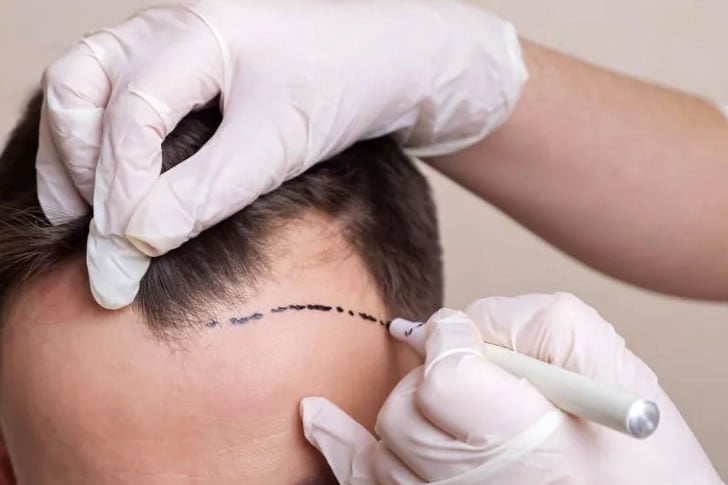
Understanding Hair Transplantation
Hair transplant is a surgical procedure that involves removing hair follicles from one part of the body, called the ‘donor site,’ to a bald or balding part, known as the ‘recipient site.’ Most commonly, this procedure addresses male pattern baldness but is also used to restore eyebrows, eyelashes, and beard hair.
Types of Hair Transplant Procedures
- Follicular Unit Transplantation (FUT): Often referred to as the ‘strip method,’ FUT involves removing a strip of skin from the donor area, which is then divided into individual follicular units and implanted in the recipient area.
- Follicular Unit Extraction (FUE): In this technique, individual follicular units are extracted from the donor area using tiny punches and then transplanted to the balding areas. FUE is less invasive than FUT and leaves no linear scar.
The Procedure
The complexity of a hair transplant procedure depends on the type of method chosen. Typically, the surgery begins with numbing the donor area. Once the follicles are extracted, they are prepared for transplantation. Tiny incisions are made in the recipient area, ensuring they mimic natural hair growth patterns. The prepared follicles are then delicately placed into these incisions.
Recovery and Results
Post-surgery, patients might experience minor pain, swelling, and redness. It’s essential to follow post-operative care guidelines, like avoiding strenuous activities, not exposing the scalp to direct sunlight, and following a prescribed washing routine.
Within a few weeks, the transplanted hair will shed – a natural part of the process. New growth begins in three to four months, with the full effect visible in 8-12 months. The results are permanent and continue to age naturally with the patient.
Advantages of Hair Transplantation
- Natural-looking results: Modern techniques ensure that transplanted hair mimics natural growth patterns, making it indistinguishable from non-transplanted hair.
- Permanent solution: Unlike topical treatments or medications that require continuous usage, a hair transplant offers a long-lasting solution to baldness.
- Boosted self-confidence: With hair restoration, many individuals regain lost confidence, positively impacting their personal and professional lives.
Considerations
While hair transplantation is transformative, it’s crucial to have realistic expectations. Not everyone is an ideal candidate. Factors like the type of hair loss, availability of donor hair, and age can influence the results. Consulting a reputable surgeon is vital to assess suitability and understand potential outcomes.
Conclusion
Hair transplant surgery is more than just a cosmetic procedure; it’s a life-changing decision for many, offering a chance to reclaim not just hair but also self-worth and confidence. With technological advancements and skilled surgeons, hair transplantation has become safer and more effective, making it a popular choice for those seeking to combat hair loss.
Recent Comments