


In an era emphasizing sustainability and energy efficiency, heat pumps emerge as a compelling solution for space heating and cooling. This article provides insights into the mechanism, benefits, and varieties of heat pumps, a technology offering a green alternative to traditional heating and cooling systems. We’ve carried out detailed research to find the best heat pumps for you.
Read More>>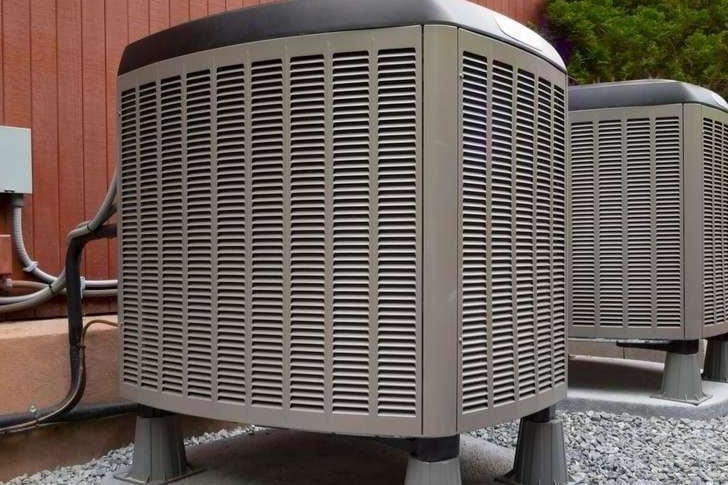
Understanding Heat Pumps
A heat pump works by transferring heat from one location to another, utilizing a small amount of external energy. During winter, it extracts heat from the outdoors and moves it inside, and in summer, it reverses the process, expelling indoor heat outside. This thermodynamic process is not just efficient but also environmentally friendly, reducing reliance on fossil fuels and minimizing greenhouse gas emissions.
How Do Heat Pumps Work?
Heat pumps operate on the principle of heat transfer. Using a refrigerant, they absorb heat from a cooler space and release it in a warmer one, which can be reversed for cooling purposes. They consist of two main components: an outdoor unit (heat exchanger) and an indoor unit (air handler).
Types of Heat Pumps
1. Air Source Heat Pumps (ASHPs):
- Extracts heat from the outdoor air.
- Cost-effective and easier to install.
- Efficiency may decline in extremely cold temperatures.
2. Ground Source or Geothermal Heat Pumps (GSHPs):
- Harnesses heat from the ground or water sources.
- Higher initial investment but remarkable energy efficiency and low operating costs.
- Ideal for regions with extreme climates in some areas.
3. Hybrid Heat Pumps:
- Combines the features of ASHPs and traditional heating systems.
- Automatically switches between gas and electric power based on outdoor temperature, ensuring optimal efficiency.
Benefits of Heat Pumps
- Energy Efficiency: Heat pumps require minimal electricity, delivering up to three times more energy than they consume.
- Cost-Effectiveness: Though upfront costs are significant, especially for GSHPs, long-term energy savings offset the initial investment.
- Environmental Impact: By reducing carbon footprint, heat pumps contribute to environmental preservation.
- Versatility: They provide both heating and cooling, offering a year-round climate solution.
- Low Maintenance: Heat pumps demand minimal maintenance, ensuring longevity and consistent performance.
Considerations for Installation
Before opting for a heat pump, it’s crucial to assess the property’s insulation and energy needs. Hiring a professional for a thorough evaluation guarantees the selection of an appropriate heat pump type and capacity, ensuring maximum efficiency and comfort.
Conclusion
In conclusion, heat pumps stand out as a multifaceted solution in the modern quest for energy efficiency and environmental responsibility. As technological advancements continue to enhance their performance and affordability, heat pumps are set to become a household staple, providing sustainable heating and cooling solutions for diverse climates and settings. The initial investment in a heat pump is a step towards long-term economic savings and a contribution to the planet’s well-being and beauty.
Recent Comments