


Selecting the right medical alert system for seniors is a decision that can have significant implications for their safety and well-being. With the growing number of options available in the market, it’s essential to understand what features are most important and how they align with the specific needs of the elderly. We’ve carried out detailed research, you’ll be guided through a comprehensive process to make an informed choice.
Read More>>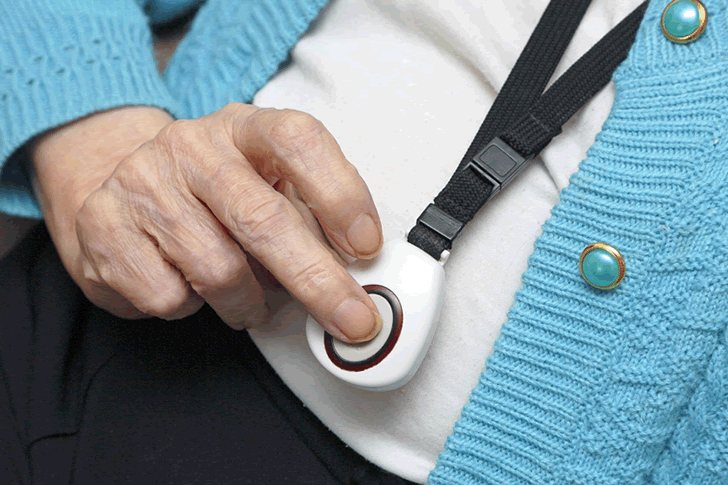
Understanding Medical Alert Systems
A medical alert system is a device designed to signal the presence of a hazard requiring urgent attention and to summon emergency medical personnel. These systems are especially beneficial for seniors living alone or those with health issues that may require immediate assistance. The basic function of these systems is to allow the user to call for help at the press of a button.
Types of Medical Alert Systems
- In-Home Systems: These systems work within the home and typically connect to a landline or a cellular network. They’re ideal for seniors who spend most of their time at home.
- Mobile Systems: Mobile systems use cellular networks and GPS technology to provide protection anywhere the user goes. They are suitable for active seniors.
- Monitored vs. Unmonitored: Monitored systems connect the user to a live operator at a monitoring center when the alert button is pressed. Unmonitored systems, on the other hand, dial pre-set phone numbers (like family members or neighbors).
Key Features to Consider
- Fall Detection: This feature automatically detects falls and sends an alert without the need to press a button. It’s crucial for seniors who are at risk of falls.
- GPS Tracking: For mobile systems, GPS tracking is vital to locate the senior in case of an emergency outside the home.
- Range: Consider the effective range of in-home systems. The system should cover all areas of the home and ideally extend to the yard.
- Battery Life: The system should have a long battery life and provide easy ways to recharge.
- Water Resistance: Since many falls occur in the bathroom, it’s essential that the device is water-resistant.
Choosing the Best Provider
- Reputation and Reviews: Research the reputation of the company. Read reviews and testimonials to understand the user experience and reliability.
- Cost: Compare costs, including initial setup fees, monthly fees, and any additional charges for extra features like fall detection.
- Contract and Terms: Look for flexible terms. Avoid long-term contracts if possible and check the cancellation policy.
- Customer Support: Ensure that the company provides excellent customer service and support, available 24/7.
Best Practices for Using Medical Alert Systems
- Regular Testing: Regularly test the system to ensure it’s working correctly.
- Wear It Always: Encourage the senior to wear the device at all times, even in the shower.
- Keep Information Updated: Keep the contact information and medical details updated in the system.
- Training: Make sure the senior knows how to use the system and understands its features.
Emerging Trends in Medical Alert Technology
As technology evolves, so do medical alert systems. Look out for systems that integrate with smart home technology, provide health monitoring (like heart rate), and offer more sophisticated location tracking.
Conclusion
Choosing the best medical alert system for seniors is a crucial step in ensuring their safety and peace of mind. It’s about finding the right balance between features, cost, and reliability. By considering the factors outlined above and carefully research the options, you can select a system that provides the necessary protection and support for the elderly. Remember, the right medical alert system can be a lifeline, providing immediate assistance when it matters most.
Recent Comments