


Navigating senior healthcare, especially for emergency tech like medical alert systems, can be complex. These vital tools offer a lifeline but can be costly. Thankfully, Medicare and other resources can help seniors obtain these systems affordably or even for free. We’ve carried out detailed research, you’ll learn the steps and tips for securing free medical alert systems for seniors through Medicare coverage.
Read More>>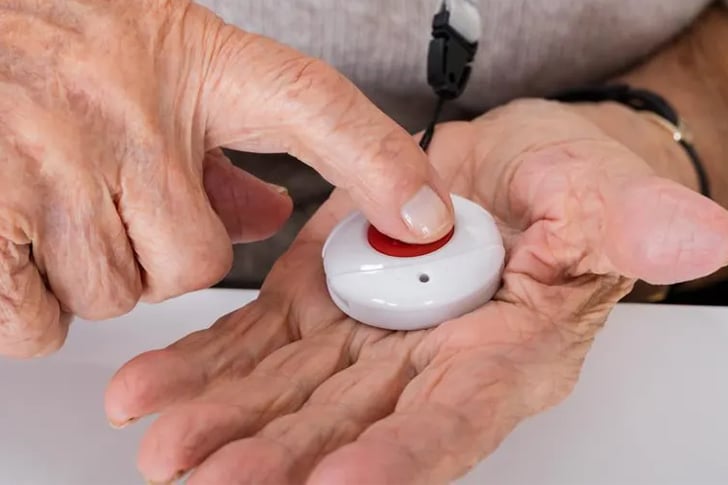
Understanding Medical Alert Systems
Medical alert systems, also known as personal emergency response systems (PERS), are devices designed to summon help in an emergency. They typically consist of a wearable pendant or bracelet with a button that, when pressed, connects the user to a response center. Advanced systems may include fall detection, GPS tracking, and health monitoring features.
The Role of Medicare in Covering Medical Alert Systems
Medicare, the federal health insurance program for people aged 65 and over, does not typically cover medical alert systems under Original Medicare (Part A and Part B). However, there are ways to obtain these systems either at a reduced cost or for free:
- Medicare Advantage Plans (Part C): Some Medicare Advantage plans may offer coverage for medical alert systems. These plans are offered by private companies approved by Medicare and often include extra benefits not covered under Original Medicare.
- Medicaid and State Programs: For those who are eligible, Medicaid or certain state programs might provide assistance in acquiring a medical alert system.
- Supplemental Insurance Policies: Some Medigap or other supplemental insurance policies might cover the cost or offer discounts on medical alert systems.
How to Find Medical Alert Systems Covered by Medicare
- Research Medicare Advantage Plans: Look for Medicare Advantage plans in your area that include medical alert systems as a benefit. The Medicare Plan Finder tool can be a helpful resource.
- Consult with a Medicare Advisor: A Medicare advisor or counselor can provide guidance on plans that might offer coverage for medical alert systems.
- Check with Medicaid and State Agencies: Contact your state’s Medicaid office or the local Area Agency on Aging to learn about available assistance programs.
- Explore Manufacturer Discounts and Programs: Some companies that manufacture medical alert systems offer discounts or special programs for seniors on Medicare.
Evaluating the Right Medical Alert System
When choosing a medical alert system, consider:
- Type of System: Decide between in-home systems, mobile systems, or ones that offer both functionalities.
- Range and Battery Life: Check the range of the device and how often the battery needs charging or replacement.
- Additional Features: Look for features like fall detection, GPS tracking, and two-way communication.
- Costs and Contracts: Be aware of the monthly service fees, setup fees, and contract terms.
Steps to Obtain a Medical Alert System through Medicare
- Enroll in a Suitable Medicare Plan: If not already enrolled, consider a Medicare Advantage plan that covers medical alert systems.
- Get a Doctor’s Prescription: Although not always necessary, a doctor’s prescription can sometimes aid in getting coverage.
- Submit Required Documentation: Provide any necessary documentation to the insurance provider, such as medical necessity forms or prescriptions.
- Choose an Approved Provider: Select a medical alert system from a provider approved by your Medicare plan.
Tips for Using Medical Alert Systems Effectively
- Test Regularly: Ensure the system works properly by testing it according to the manufacturer’s instructions.
- Wear It Always: For maximum effectiveness, the device should be worn at all times.
- Update Emergency Contacts: Keep the list of emergency contacts updated in the system.
Alternative Ways to Get a Medical Alert System
For those who can’t get coverage through Medicare, consider:
- Nonprofit Organizations: Some nonprofits offer medical alert systems for seniors at reduced costs or for free.
- Community Resources: Local senior centers or community groups may have programs or grants available.
- Direct Purchase with Discounts: Look for discounts offered by manufacturers or through senior organizations.
Conclusion
Securing a medical alert system for seniors doesn’t have to be a financial burden. While Medicare itself may not directly cover these devices, there are avenues through Medicare Advantage plans, Medicaid, and other resources to obtain these systems affordably or even for free. Research the right plan, understanding the available options, and leveraging community resources can provide seniors with the safety and peace of mind they deserve.
Recent Comments