


Debt management can be a challenging task, especially when juggling multiple credit card balances with high interest rates. A balance transfer credit card can be a strategic solution, offering an opportunity to consolidate debt and save on interest charges. With these cards, you can transfer existing balances from high-interest cards to a new card with a lower interest rate, often 0% for a promotional period. We’ve carried out detailed research, you will find a variety of balance transfer credit cards that cater to different financial needs and goals.
Read More>>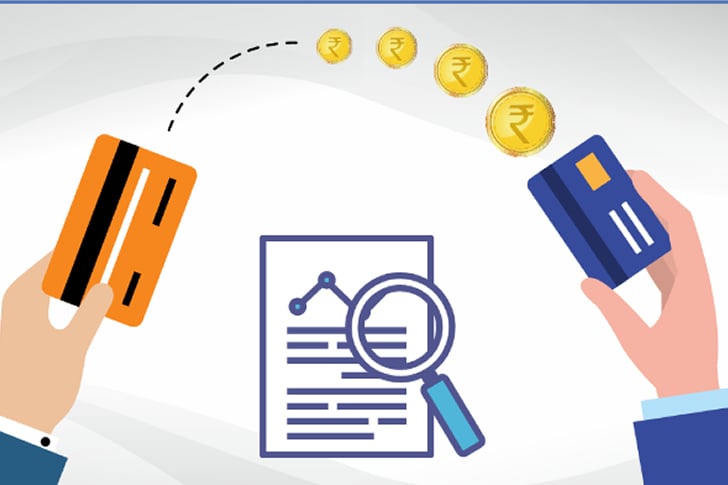
Understanding Balance Transfer Credit Cards
Balance transfer credit cards are designed to help you manage credit card debt more effectively. They typically offer a low or 0% introductory interest rate for a set period, ranging from 6 to 21 months. This introductory period provides a window of opportunity to pay down your debt without accruing additional interest, which can be a significant advantage if you’re dealing with high-interest credit card debts.
The Benefits of Balance Transfer Credit Cards
1. Lower Interest Rates
The main draw of balance transfer cards is the lower interest rate offered during the introductory period. This can result in substantial savings on interest charges.
2. Debt Consolidation
If you have balances on multiple credit cards, consolidating them onto a single balance transfer card simplifies your payments. It’s easier to manage one payment than multiple payments with varying interest rates and due dates.
3. Faster Debt Repayment
With lower interest rates, more of your payment goes towards paying down the principal balance rather than interest, which can speed up the debt repayment process.
Choosing the Right Balance Transfer Card
1. Compare Introductory Offers
Look for cards with the longest 0% interest introductory periods. This will give you more time to pay down your balance without accruing interest.
2. Understand the Fees
Many balance transfer cards charge a balance transfer fee, typically between 3% to 5% of the transferred amount. Calculate whether the interest savings outweigh the fees.
3. Check the Regular APR
After the introductory period ends, the card’s regular APR will apply to any remaining balance. Ensure this rate is reasonable and competitive.
4. Read the Fine Print
Understand the terms and conditions, including penalties for late payments, which may end the introductory period prematurely.
5. Consider Additional Benefits
Some balance transfer cards offer rewards, cash back, or other benefits. While not the primary reason to choose a card, these perks can be advantageous.
Managing Your Balance Transfer Card
1. Plan Your Repayment
Create a repayment plan to pay off the entire balance before the end of the introductory period. Divide the total balance by the number of months in the introductory period to determine your monthly payment.
2. Avoid New Purchases
Avoid using the new card for additional purchases, especially if new charges don’t benefit from the introductory rate. This helps focus on paying down the transferred balance.
3. Monitor Your Progress
Regularly check your account to monitor your progress and ensure you’re on track to repay the balance before the introductory period ends.
4. Avoid Late Payments
Late payments can result in penalty fees and may terminate the introductory interest rate, so ensure timely payments.
The Potential Downsides
While balance transfer cards offer many benefits, there are potential downsides to consider:
- Balance Transfer Fees: These fees can add to your debt, so factor them into your decision.
- Higher Interest Rates Post-Introductory Period: If you don’t pay off the balance in time, the remaining balance will be subject to a higher interest rate.
- Impact on Credit Score: Opening a new credit account can affect your credit score, particularly if you open several new accounts in a short period.
Conclusion
Balance transfer credit cards can be a powerful tool for managing and reducing credit card debt. By carefully selecting the right card and diligently managing your payments, you can navigate your debt more effectively, saving on interest and potentially speeding up your journey to becoming debt-free. It’s essential to approach balance transfer cards with a clear plan and an understanding of both their benefits and potential pitfalls. By doing so, you can use these financial tools to your advantage and take significant strides in achieving your financial goals.
Recent Comments