


The traditional process of building a home, with its months of onsite construction, mountains of materials, and a continuous influx of workers, is being rapidly replaced in many parts of the world by the prefabricated home. We’ve carried out detailed research to help you choose the suitable prefabricated homes.
Read More>>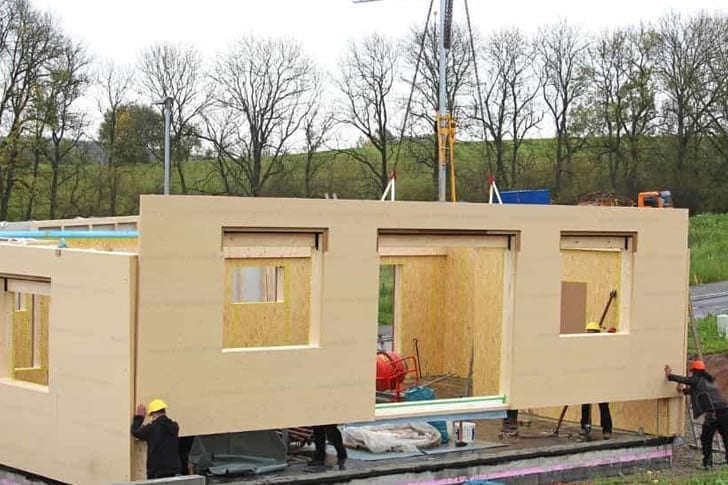
Understanding Prefabricated Homes
At their core, prefabricated homes are dwellings whose major components—walls, roofs, floors—are manufactured in a factory setting. These components, often called “modules,” are then shipped to the building site and assembled, much like a large-scale jigsaw puzzle. This off-site construction approach reduces building time, minimizes environmental disruption, and often results in a more precisely constructed home.
Benefits of Prefabricated Homes
- Speed and Efficiency: One of the primary benefits of prefabricated homes is the speed of construction. Without weather delays or unforeseen site-specific challenges, these homes can be constructed in a fraction of the time required for traditional homes.
- Cost-Effective: Due to streamlined processes, bulk material purchasing, and reduced waste, prefabricated homes often come with a smaller price tag compared to their traditionally built counterparts.
- Environmentally Friendly: The controlled factory environment ensures better utilization of materials, leading to reduced waste. Moreover, newer prefab homes are often designed with energy efficiency and sustainable materials in mind.
- Design Flexibility: Contrary to popular belief, prefab homes aren’t limited to cookie-cutter designs. They can be customized to various architectural styles, sizes, and layouts, catering to individual tastes and needs.
The Changing Perception
Historically, there was a stigma attached to prefabricated homes, often considered inferior to traditionally built houses. However, as technology has advanced and the quality of construction has improved, this perception has shifted dramatically. Today’s prefab homes can be indistinguishable from traditional homes in terms of quality, longevity, and aesthetics.
The Future of Home Building
As urban areas expand and the need for efficient, sustainable housing grows, the demand for prefabricated homes is likely to rise. With advancements in technology, we’re seeing the emergence of smart prefabs equipped with home automation systems, energy-efficient appliances, and more.
Moreover, as housing crises intensify in various regions, cities, and governments are looking towards prefabricated homes as a solution, given their ability to address housing demands swiftly.
In Conclusion
The prefabricated home is not just a trend; it’s a revolution in homebuilding. As we move towards a future where efficiency, sustainability, and adaptability are paramount, the prefabricated home stands out as a beacon of modern residential construction. Whether you’re a prospective homeowner or a stakeholder in the construction industry, the prefab wave is worth riding.
Recent Comments