


Psoriasis is a long-term skin problem that causes skin cells to grow too quickly, resulting in thick, white, silvery, or red patches of skin. It commonly affects the knees, elbows, and scalp, but can appear anywhere on the body. The condition is known for cycles, flaring for a few weeks or months, then subsiding for a while or even going into complete remission.You might like these research options:
Read More>>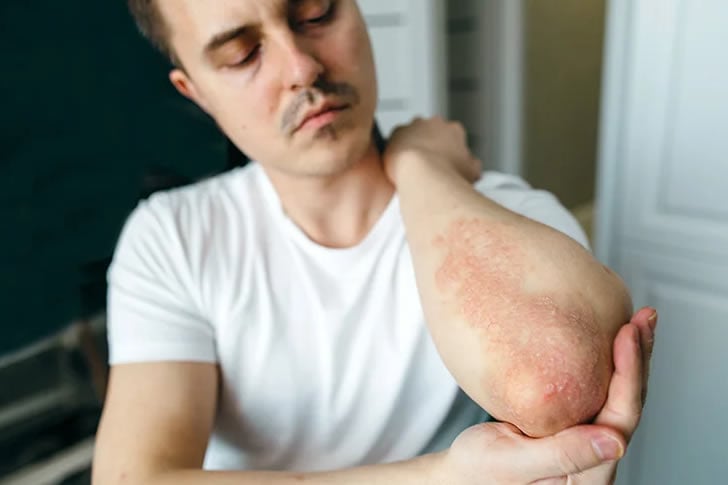
Common Symptoms of Psoriasis
Psoriasis is a chronic skin condition that affects millions of people worldwide. While it can vary in severity and presentation, there are some common symptoms that characterize this condition.
The primary symptom of psoriasis is the presence of patches of skin that may appear red and are covered with thick, silvery scales. These patches can vary in size and distribution on the body. Some individuals may only have a few spots resembling dandruff-like scaling, while others may experience major eruptions that cover large areas of their skin. These patches can be itchy and uncomfortable, causing significant distress to those affected.
One of the notable features of psoriasis is its cyclical nature. Most types of psoriasis go through cycles, flaring for a few weeks or months, then subsiding for a time or even going into complete remission. These cycles can be unpredictable, making it challenging for individuals living with psoriasis to manage their condition effectively.
What Causes Psoriasis to Flare-Up?
Understanding the factors that trigger psoriasis flare-ups is crucial for individuals seeking to manage their condition. Various environmental factors and lifestyle choices can influence the frequency and intensity of psoriasis outbreaks.
- Stress: Psychological stress is a well-known trigger for psoriasis flare-ups. High levels of stress can lead to hormonal changes and immune system activation, exacerbating the condition.
- Weather Changes: Weather conditions play a role in psoriasis management. Cold and dry weather, especially during the winter months, may increase the risk of a new outbreak or worsen existing symptoms. Conversely, some individuals find that warm, humid weather can improve their skin.
- Medications: Certain medications, such as lithium, antimalarial drugs, and beta-blockers, have been associated with psoriasis exacerbations. It’s essential to discuss medication-related concerns with a healthcare provider.
- Lifestyle Factors: Lifestyle choices, including smoking and excessive alcohol consumption, can also contribute to psoriasis flare-ups. Quitting smoking and moderating alcohol intake can be beneficial in managing symptoms.
Treatment and Management of Psoriasis
While there is no one-size-fits-all cure for psoriasis, various treatment options can help reduce inflammation and clear the skin. The choice of treatment depends on the type and severity of psoriasis. Here are some common approaches:
- Topical Ointments: Topical treatments, such as corticosteroids, vitamin D analogs, and tar-based products, are applied directly to the skin to reduce inflammation and control scaling.
- Light Therapy (Phototherapy): Phototherapy involves exposing the skin to controlled doses of ultraviolet (UV) light. This treatment can slow down skin cell growth and alleviate symptoms.
- Medications: Systemic medications, including biologics and oral medications, are prescribed for moderate to severe psoriasis cases. These medications work to suppress the overactive immune response associated with psoriasis.
- Lifestyle Modifications: Lifestyle changes, such as stress management, maintaining a healthy diet, and regular exercise, can complement medical treatments and help manage psoriasis effectively.
Living with Psoriasis
Living with psoriasis can be challenging, but with the right approach, individuals can lead healthy and active lives. Here are some key strategies for managing psoriasis:
- Understanding Triggers: Identifying personal triggers, which may include stress and skin injury, can help prevent or lessen flare-ups.
- Regular Communication with Healthcare Providers: Staying in close contact with a healthcare provider is essential for monitoring the condition’s progression and exploring new treatment options.
- Healthy Lifestyle: Maintaining a healthy lifestyle, including a balanced diet and regular exercise, can support overall well-being and potentially improve psoriasis symptoms.
- Awareness of New Treatments: Staying informed about the latest advancements in psoriasis treatment can empower individuals to make informed choices about their health and well-being.
In conclusion, while living with psoriasis presents challenges, it is not insurmountable. By recognizing the symptoms, understanding triggers, and adopting a holistic approach to treatment and self-care, individuals can effectively manage their condition and lead fulfilling lives. Psoriasis management is about finding what works best for each individual and committing to a personalized care plan with the guidance of healthcare professionals.
Recent Comments