


Embarking on the journey of solar panel installation is not only an environmental commitment but also a significant financial decision. Therefore, diving into this venture with ample knowledge is paramount.Explore the options to know more:
Read More>>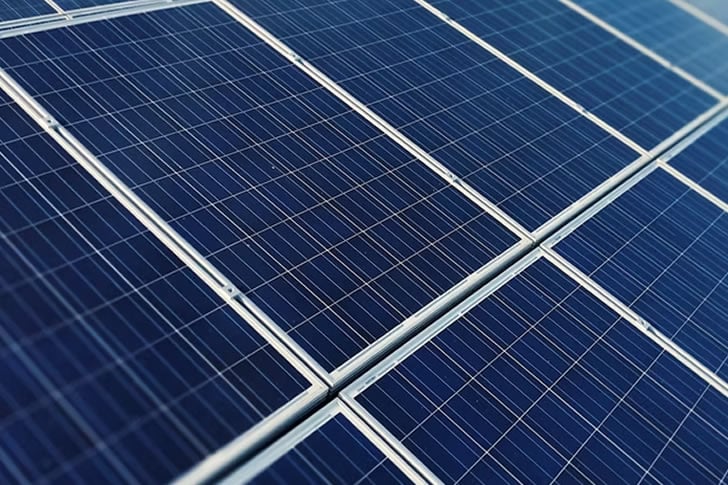
Here are the indispensable tips you need to know before purchasing solar panels in the USA:
Roof’s Readiness and Suitability:
Before anything else, assess the condition and orientation of your roof. It should be structurally sound to support solar panels and ideally positioned to receive maximum sunlight exposure. A shade-free area is preferred. Anticipate future expenses if your roof will need repairs or replacement in the coming years.
Understanding Solar Panel Types:
There are three main types of solar panels: monocrystalline, polycrystalline, and thin-film. Each varies in efficiency, appearance, and cost. Monocrystalline panels are the most efficient but also the most expensive. Understanding the distinctions will help you choose the best fit for your energy needs and budget.
Comprehensive Cost Analysis:
Beyond the initial purchase, consider installation costs, potential roof repairs, maintenance, and the possible necessity of a battery storage system. Analyze the return on investment and break-even point to understand when your system will start saving you money.
Buying vs. Leasing Dilemma:
Purchasing your solar panel system outright means you reap the full benefits, including federal tax credits and increased home value. However, it requires a significant upfront investment. Leasing can be more budget-friendly and entails less responsibility for maintenance, but it doesn’t offer the same long-term financial benefits.
Local Permitting and Regulations:
Navigating the legal landscape is crucial. Different states and municipalities have varying rules regarding solar panel installation, and you may need specific permits. Some areas might also have restrictions concerning the visual aspects or the construction process.
Maximizing Financial Incentives:
Take advantage of state and federal tax credits, rebates, and other incentives available for solar panel installations. These can significantly offset your initial outlay. However, they often require that you purchase the system outright and may have other eligibility requirements.
Consideration for Battery Backup:
Integrating a battery backup is prudent for uninterrupted power, especially in areas prone to power outages or with high electricity rates during peak hours. Analyze the cost-benefit ratio, keeping in mind that batteries add to the investment but offer independence from the grid.
By understanding these crucial aspects, prospective buyers can navigate the complexities of switching to solar energy. It’s not merely about installing panels on your roof; it’s about making an informed investment towards sustainable living. Proper research, financial understanding, and awareness of legal requisites will pave the way for a gratifying solar journey, contributing to a greener future while basking in the economic benefits.
Recent Comments