
Back pain is a universal ailment, an invisible thread that ties humanity together. Nearly everyone, at some point in their lives, has felt that unmistakable twinge or a lingering soreness in their back. For many, it’s fleeting, while for others, it can be a chronic burden. This article delves into the complexities of back pain, its causes, preventive measures, and treatment options.
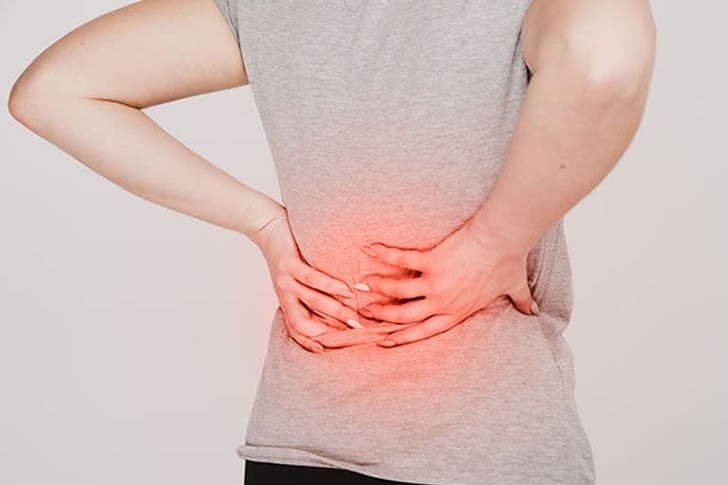
The Anatomy of Back Pain
The human back is a marvel of bio-engineering. Comprising a complex network of muscles, ligaments, tendons, disks, and bones, it provides support and flexibility. However, any problem with any of these components can lead to back pain. For instance, strained muscles, ruptured disks, or inflamed joints can manifest as pain.
Common Causes
- Muscle or Ligament Strain: Repeated heavy lifting or sudden awkward movements can strain back muscles and spinal ligaments, leading to pain.
- Bulging or Ruptured Disks: Disks act as cushions between the vertebrae in the spine. If a disk ruptures, it can press on a nerve, causing pain.
- Arthritis: Osteoarthritis can impact the lower back. In severe cases, it can lead to a narrowing of the space around the spinal cord, known as spinal stenosis.
- Poor Posture: Chronic poor posture can cause muscle imbalances, leading to pain over time.
- Osteoporosis: The vertebrae can develop compression fractures if bones become porous and brittle.
Prevention is Better Than Cure
To mitigate the risk of developing back pain, one can adopt several preventive measures:
- Stay Active: Regular physical activity, especially low-impact exercises like walking or swimming, can help keep the back muscles strong and flexible.
- Watch Your Weight: Maintaining a healthy weight reduces the strain on back muscles.
- Ergonomics: Ensure that your workstation, especially if you spend hours at a desk, is set up to support a natural spine posture.
- Lift Smartly: Always use your legs and knees to lift heavy objects rather than your back.
- Mind Your Posture: Whether sitting or standing, maintaining a neutral spinal position reduces the stress on your back.
Treatment Options
The nature of back pain treatment depends largely on whether the pain is acute or chronic:
- Over-the-counter Pain Relievers: Non-prescription medications can be effective for acute pain.
- Physical Therapy: A physical therapist can design exercises to increase strength, restore flexibility, and improve posture.
- Injections: If other methods don’t relieve back pain, a doctor might recommend injections, such as nerve block therapies.
- Alternative Therapies: Acupuncture, massage, and chiropractic adjustments can also provide relief for some people.
- Surgery: In cases of herniated disks, spinal stenosis, or vertebral fractures, surgery might be necessary.
Conclusion
Back pain is an intricate issue woven with physical, psychological, and societal threads. While it’s nearly ubiquitous, understanding its root causes and adopting a proactive approach can significantly reduce its impact. Furthermore, seeking timely medical advice and considering various treatment options can help individuals reclaim their quality of life from the clutches of back pain.
Recent Comments