
Death, an inevitable part of the human journey, brings with it a tidal wave of emotions — grief, loss, sadness, and sometimes even relief or peace. Amid these powerful emotions, the funeral service stands as a beacon of solace and understanding, a means to honor the deceased and provide comfort to the living. This article delves into the essence of funeral services, their significance, and how they serve as a bridge between the past, present, and future.
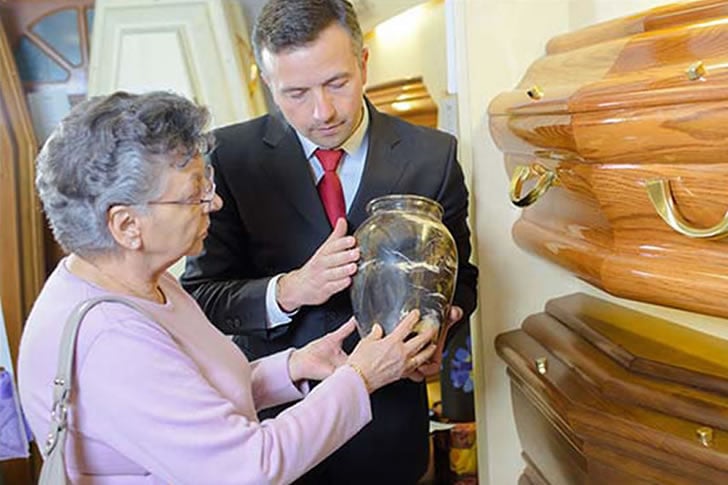
A Time-Honored Tradition
For centuries, humans have felt the need to commemorate the lives of those who have passed on. From the elaborate burial ceremonies of the Ancient Egyptians to the somber memorial services of modern times, the act of remembrance is deeply embedded in our psyche. Funeral services, regardless of cultural or religious nuances, act as the final farewell, offering closure to loved ones and providing a space for collective grieving.
The Components of a Funeral Service
While funeral customs can vary widely based on culture, religion, and personal preference, several core components are universally recognized:
- Eulogy: This is often the heart of the service, where a close family member or friend offers a heartfelt speech honoring the deceased’s life, recalling cherished memories, and highlighting their virtues and accomplishments.
- Readings and Prayers: Depending on the family’s religious or spiritual beliefs, scriptures, poems, or other meaningful passages might be read. These words offer comfort and hope to the mourners.
- Music: Hymns, songs, or instrumental music can evoke powerful emotions, serving as a backdrop for reflection and remembrance.
- Viewing or Visitation: In many cultures, there’s an opportunity for attendees to view the deceased, offering their last respects.
- Committal Service: This typically takes place at the gravesite where the deceased is interred. It’s a time of finality, marked by rituals such as the lowering of the casket or the scattering of ashes.
The Role of Funeral Services in the Grieving Process
Grieving is a deeply personal journey, but the collective nature of a funeral service can be therapeutic. It allows individuals to lean on each other for support, share stories, and recognize that they are not alone in their pain. The service acts as a starting point for healing, a place where acceptance begins to replace denial, and where the reality of loss is acknowledged.
Adapting to the Times: Modern Funeral Services
In recent years, there’s been a noticeable shift in how funeral services are conducted. Many families are opting for “celebrations of life,” events that focus on the joyful moments and accomplishments of the deceased rather than their departure. Green burials, eco-friendly ceremonies, and digital memorials have also become more common, reflecting a society that’s more environmentally conscious and digitally connected.
Conclusion
Funeral services, in their essence, are about connection — a connection to the departed, to each other, and to the cycle of life and death. They offer a structured space to navigate the tumultuous seas of grief, find comfort in shared memories, and ultimately, celebrate a life that was. As society evolves, so too will funeral customs, but their core purpose — to honor, remember, and find solace — will remain unchanged.
Recent Comments