


In today’s digital age, security cameras have become ubiquitous and an integral part of our daily lives. Whether they’re keeping an eye on public spaces, guarding our homes, or ensuring workplace security, these devices have evolved tremendously over the years and now play a pivotal role in maintaining safety and security. This article delves into the evolution, significance, and future prospects of security cameras.
Read More>>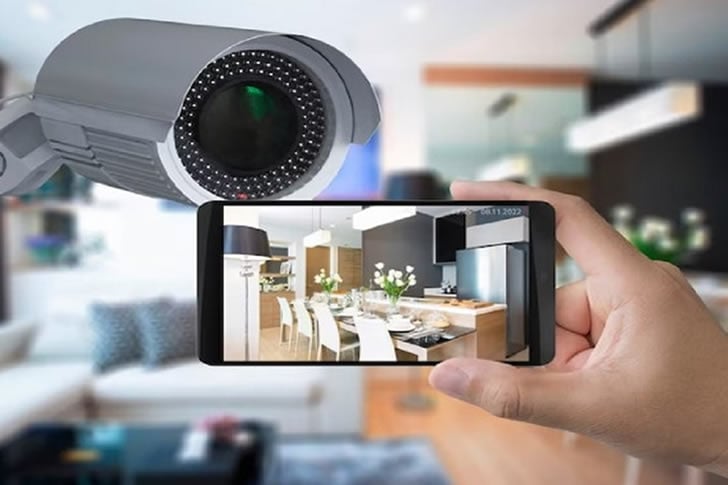
A Brief History
The concept of surveillance is not new. However, the first true security camera can be traced back to the early 1960s when they were introduced to monitor crowded areas like banks or airports. Initially, these cameras were bulky, expensive, and recorded in low-resolution black and white. Over time, with technological advancements, they became smaller, affordable, and began to produce clearer images.
Modern-Day Capabilities
Modern security cameras are a far cry from their predecessors. Today’s cameras offer high-definition recording, night vision, and even AI-driven features like facial recognition and motion detection.
- Smart Connectivity: With the advent of the Internet of Things (IoT), many security cameras can now be connected to the internet, allowing users to access footage in real-time from any device, anywhere in the world.
- Diverse Varieties: From wired to wireless, indoor to outdoor, or even doorbell cameras, there’s a camera for every need.
- Storage Solutions: Gone are the days of limited storage on videotapes. Modern cameras often come with cloud storage options, ensuring that footage is stored safely and can be accessed when needed.
- Advanced Analytics: Many high-end cameras are equipped with software that can analyze footage for unusual activities, marking them for review and sometimes even sending real-time alerts.
The Significance of Security Cameras
Security cameras act as both a deterrent and a means to gather evidence. The mere presence of a camera can deter potential criminals. However, their importance extends beyond just crime prevention:
- Safety: In public spaces, the presence of security cameras can help in crowd management and prevent accidents. They also play a crucial role in sectors like manufacturing, where they can monitor and ensure that safety protocols are followed.
- Accountability: In workplaces, cameras ensure that employees are held accountable for their actions. They can also play a crucial role in resolving disputes.
- Peace of Mind: For homeowners, the mere presence of a security camera can provide a sense of security and peace of mind, knowing that their home is being monitored.
Future Prospects
As technology continues to advance, so will the capabilities of security cameras. We are already seeing the development of cameras with better AI capabilities that can predict unusual patterns or activities. The integration of AI can also help in better facial recognition, even in crowded spaces.
Moreover, the line between security cameras and smart home systems is blurring. In the future, we may see security cameras that can interact with other smart devices in a home, such as lights, sensors, or alarms.
Conclusion
From their humble beginnings to the advanced devices today, security cameras have always been pivotal in ensuring safety and security. As technology continues to evolve, it’s clear that security cameras will become even more integrated into our daily lives, offering more advanced features and better peace of mind. Investing in a good security camera system is not just an investment in a device but an investment in safety, security, and peace of mind.
Recent Comments