


Psoriasis is a chronic, non-contagious skin condition that affects millions worldwide. Characterized by red, scaly patches that can be itchy or even painful, psoriasis goes beyond skin-deep, influencing a person’s overall well-being, both physically and emotionally. This article provides a comprehensive overview of psoriasis, its causes, types, treatments, and the overall impact it has on those who live with it.
What is Psoriasis?
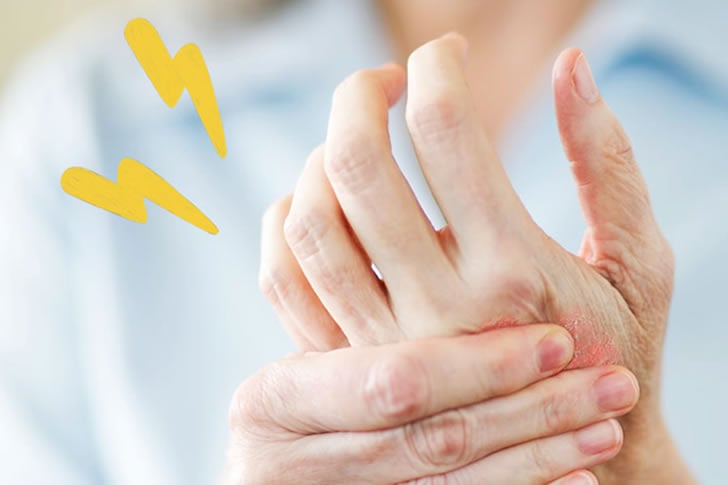
At its core, psoriasis is an autoimmune condition where the body’s immune system attacks healthy skin cells. This results in an accelerated cycle of skin cell growth, leading to a buildup of cells on the skin’s surface, forming the characteristic scaly patches.
Types of Psoriasis
While there are various forms of psoriasis, the following are the most common:
- Plaque Psoriasis: This is the most common form, characterized by raised, red patches covered with a silvery-white buildup of dead skin cells.
- Guttate Psoriasis: Appears as small, dot-like lesions. It often starts in childhood or young adulthood.
- Inverse Psoriasis: Shows up as red lesions in body folds, such as behind the knee, armpits, or under the breasts.
- Pustular Psoriasis: Characterized by white pustules surrounded by red skin. It’s not an infection, and these pustules contain non-infectious pus.
- Erythrodermic Psoriasis: A particularly severe form that can cover the entire body with a red, peeling rash.
Causes and Triggers
The exact cause of psoriasis remains elusive, but it’s generally understood that genetics and the immune system play critical roles. While you can’t “catch” or “pass on” psoriasis, it can run in families.
Certain factors can trigger a psoriasis flare-up, including:
- Infections, like strep throat.
- Stress.
- Skin injuries, such as cuts or sunburn.
- Medications.
- Smoking and alcohol consumption.
Treatment Options
While there is no definitive cure for psoriasis, various treatments can help control the symptoms:
- Topical treatments: These are creams and ointments applied to the skin. Corticosteroids, vitamin D analogues, and tar-based preparations are common.
- Light therapy: This involves exposing the skin to ultraviolet light under medical supervision.
- Systemic medications: These are drugs that affect the entire body and are used for severe cases or when other treatments are ineffective. They include methotrexate, cyclosporine, and biologics.
- Lifestyle changes: Reducing stress, maintaining a balanced diet, moisturizing regularly, and avoiding triggers can help manage psoriasis.
Living with Psoriasis
The physical symptoms of psoriasis can be challenging, but the emotional and social aspects can be equally taxing. Many individuals with psoriasis face societal stigma, misconceptions, and even discrimination. It’s essential to recognize psoriasis’s psychological impact and offer support to those affected.
Moreover, psoriasis has been linked to other health conditions, such as psoriatic arthritis, heart disease, and depression. Regular check-ups and holistic care are paramount for those with the condition.
Conclusion
Psoriasis is more than a skin condition; it’s a lifelong journey that requires understanding, patience, and holistic care. While science continues its quest for a cure, our role as a society is to offer empathy, support, and accurate information to those living with psoriasis. It’s through this collective effort that we can hope to diminish the challenges faced by psoriasis sufferers and work towards a world free from the shadows of this ailment.
Recent Comments