
Lung cancer is a common and serious illness that often doesn’t show clear signs at the start. Knowing the early symptoms is important for catching it early and getting the right treatment. We’ve carried out detailed research and understand a comprehensive approach to care.
Read More>>
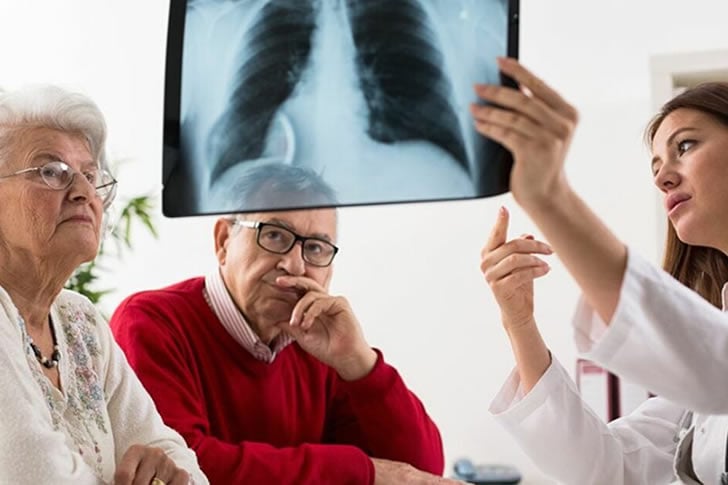
A Lasting Cough:
Lung cancer is a serious and often deadly disease that can affect anyone, regardless of age or gender. Detecting it in its early stages can significantly improve the chances of successful treatment and survival. If you have a cough that just won’t go away or is getting worse, it could be a warning sign. Usually, a cough from a cold or similar illness goes away after a couple of weeks. But if yours stays, it might mean something more, like lung cancer.
Changes in Your Cough:
It’s also important to notice any changes in an ongoing cough. This is especially true if you’re coughing up blood or more mucus than usual. Even small changes, like your cough sounding deeper or rougher, are worth checking out with your doctor.
Trouble Breathing:
Feeling short of breath or wheezing a lot can be signs of lung cancer too. If simple activities are leaving you gasping for air, and this is new for you, it’s a good idea to see a doctor.
Chest Pain:
Pain in your chest, shoulder, or back that doesn’t go away could be linked to lung cancer. This pain might get worse when you breathe deeply, cough, or laugh. It’s different from the normal soreness you might feel after a workout or heavy lifting.
Weight Loss and Tiredness:
Losing weight without trying or feeling really tired all the time can also point to lung cancer, along with other types of cancer. These signs usually come with more specific symptoms.
A Hoarse Voice:
If your voice sounds hoarse or raspy and it’s not getting better, it could be a sign of lung cancer affecting your nerves.
Getting Sick Often:
If you’re getting sick with things like bronchitis or pneumonia more often than usual, and these keep coming back, it could be a sign of lung cancer.
Catching lung cancer early can make a huge difference in treatment. If you have any of these symptoms, especially if you smoke or have lung cancer in your family, it’s important to talk to your doctor. Getting checked every year is also a smart move, particularly if you’re at higher risk. Acting early is the best way to fight lung cancer.
Recent Comments