


Scalp psoriasis, a skin condition characterized by itchy, flaky patches on the scalp, is often misunderstood. While many believe it’s simply a result of poor hygiene or a contagious disease, the truth is far more complex. We’ve carried out detailed research, you’ll uncover the reality behind this common yet frequently misunderstood condition.
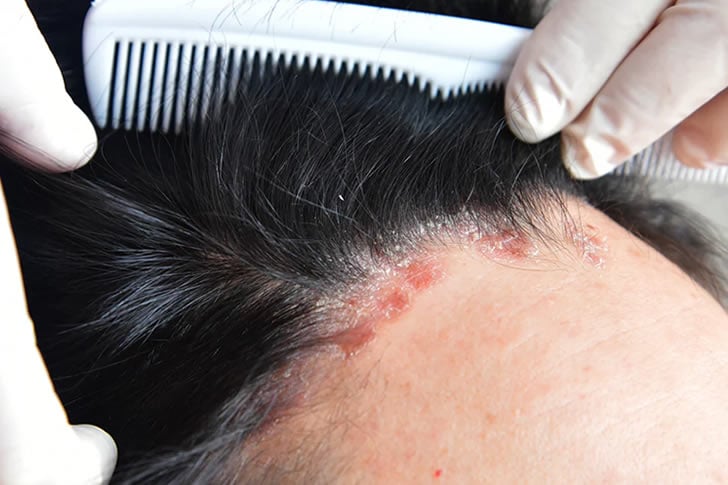
What is Scalp Psoriasis?
Scalp psoriasis is a chronic autoimmune skin disorder that results in the rapid buildup of skin cells. This buildup leads to scaling on the scalp’s surface, which can appear as red, itchy, and sometimes painful patches. Unlike dandruff, which is primarily a cosmetic concern, scalp psoriasis is a medical condition that requires proper diagnosis and treatment.
The Immune System Connection
Contrary to popular belief, scalp psoriasis is not caused by poor hygiene or an infection. It’s an autoimmune condition, meaning the body’s immune system mistakenly attacks healthy skin cells. In the case of scalp psoriasis, the immune system speeds up the growth cycle of skin cells, causing them to build up rapidly on the surface before they have a chance to mature. This rapid turnover leads to the characteristic scales and inflammation.
Genetic Factors
Genetics play a significant role in the development of scalp psoriasis. If a family member has psoriasis, the likelihood of developing the condition increases. However, it’s important to note that having the genetic predisposition doesn’t guarantee the development of scalp psoriasis. Environmental factors and triggers often play a crucial role in activating the genes responsible for the condition.
Environmental Triggers
Various environmental factors can trigger scalp psoriasis or exacerbate existing symptoms. These include stress, skin injuries (like cuts or scrapes), certain medications, and weather changes. For some individuals, a stressful event can trigger their first psoriasis flare-up, while for others, cold, dry weather can worsen symptoms.
Hormonal Changes
Hormonal changes can also influence scalp psoriasis. For example, many women report changes in their psoriasis symptoms during pregnancy or menopause. These fluctuations suggest that hormones may play a role in the condition’s development and severity.
Inflammation and Lifestyle Factors
Inflammation is a key component of scalp psoriasis, and lifestyle factors that increase inflammation can worsen the condition. These include obesity, smoking, and alcohol consumption. A diet high in inflammatory foods, such as processed foods and sugars, may also contribute to more severe symptoms.
Misconceptions: Infection and Contagiousness
One of the biggest misconceptions about scalp psoriasis is that it’s an infectious or contagious condition. This myth can lead to unnecessary stigma and social isolation for those affected. It’s crucial to understand that scalp psoriasis is not contagious and cannot be spread through physical contact or shared personal items.
The Psychological Impact
Scalp psoriasis is not just a physical condition; it also has a significant psychological impact. The visibility of symptoms can lead to embarrassment, anxiety, and depression. These emotional factors can, in turn, trigger more flare-ups, creating a vicious cycle. It’s important for individuals with scalp psoriasis to seek not only medical treatment but also emotional support.
Treatment Options
While there is no cure for scalp psoriasis, various treatments can help manage symptoms. These include topical treatments (like medicated shampoos and ointments), phototherapy, and systemic medications for more severe cases. It’s essential for individuals with scalp psoriasis to work closely with a dermatologist to find the most effective treatment plan for their specific condition.
Living with Scalp Psoriasis
Living with scalp psoriasis requires a comprehensive approach that includes medical treatment, lifestyle modifications, and emotional support. Stress management techniques, a healthy diet, and avoiding known triggers can help reduce flare-ups. Joining support groups or online communities can also provide emotional support and valuable information.
Conclusion: A Condition of Complexity
In conclusion, scalp psoriasis is a complex condition with causes rooted in genetics, the immune system, and environmental factors. It’s not caused by poor hygiene or contagious, as many believe. Understanding the real causes of scalp psoriasis is crucial for effective treatment and reducing the stigma associated with the condition. With proper management and support, individuals with scalp psoriasis can lead fulfilling lives without being defined by their condition.
Recent Comments