


Leprosy, also known as Hansen’s disease, is a chronic infectious disease caused by the bacterium Mycobacterium leprae. It primarily affects the skin, nerves, respiratory tract, and eyes. Leprosy has been a part of human history for thousands of years, with treatments evolving significantly over time. Despite common misconceptions, leprosy is not highly contagious and can be effectively treated with antibiotics. We’ve carried out detailed research, you’ll find comprehensive information on its symptoms and treatment, aiming to dispel myths and provide clarity on this often misunderstood disease.
Read More>>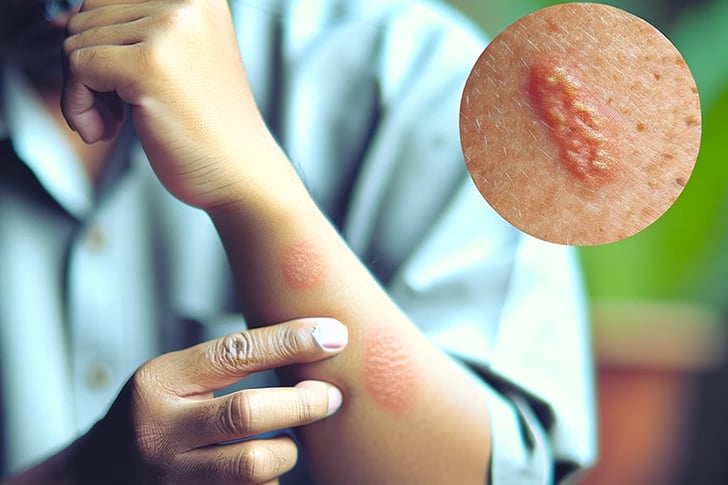
Understanding Leprosy
Leprosy is an ancient disease that, for centuries, was misunderstood and surrounded by stigma. It is caused by the bacterium Mycobacterium leprae, which multiplies very slowly. The disease’s long incubation period, which can last up to 20 years, means that symptoms may take a long time to appear after the person has been infected. Transmission is believed to occur through droplets from the nose and mouth of untreated, severely infected individuals. However, most of the population has a natural immunity to the bacteria, and it is not as contagious as many other infectious diseases.
Symptoms of Leprosy
The symptoms of leprosy can vary significantly from one person to another, primarily affecting the skin, nerves, and mucous membranes. Early signs of the disease may include:
- Skin Lesions: Patches of skin that may be lighter than the normal skin tone or reddish. These lesions may have decreased sensation to touch, temperature, or pain.
- Numbness: A telltale sign of leprosy is numbness in the hands, arms, feet, and legs due to nerve damage.
- Muscle Weakness: This occurs as a result of nerve damage in the affected limbs.
- Eye Problems: The disease can affect the nerves around the eyes, leading to reduced blinking and eventual vision problems.
- Nasal Congestion and Nosebleeds: These symptoms result from the involvement of the mucous membranes.
As the disease progresses without treatment, it can cause severe nerve damage, leading to disabilities and disfigurement. Therefore, early diagnosis and treatment are crucial to prevent these complications.
Diagnosing Leprosy
Diagnosing leprosy involves a combination of clinical evaluation and laboratory tests. A healthcare provider will look for the characteristic skin lesions and assess the loss of sensation in these areas. Skin smears or biopsies can be performed to detect the presence of Mycobacterium leprae. Additionally, nerve biopsies might be conducted in more ambiguous cases. Early diagnosis and treatment can prevent the disease from causing permanent damage and disability.
Treatment of Leprosy
The good news is that leprosy is treatable, and the treatment is highly effective. The mainstay of leprosy treatment is multi-drug therapy (MDT), which the World Health Organization (WHO) recommends. MDT involves the use of a combination of antibiotics over a period of 6 to 12 months, depending on the form and severity of the disease. The antibiotics used include dapsone, rifampicin, and clofazimine. This treatment approach has been highly successful in curing patients, preventing the spread of the disease, and reducing the incidence of leprosy worldwide.
It’s crucial for individuals diagnosed with leprosy to adhere strictly to the treatment regimen, even if symptoms improve or disappear. Completing the course of treatment ensures the bacteria are fully eradicated and reduces the risk of developing drug resistance.
Preventing and Managing Complications
Alongside antibiotic treatment, managing complications and minimizing disability is a critical aspect of leprosy care. Patients may require physical therapy to maintain muscle strength and flexibility, occupational therapy to adapt to any sensory or motor limitations, and regular eye exams to prevent vision loss. In some cases, reconstructive surgery may be necessary to correct deformities.
Prevention strategies include early diagnosis and treatment of those infected, which significantly reduces the disease’s spread. Vaccination with the Bacille Calmette-Guérin (BCG) vaccine, commonly used for tuberculosis, offers some protection against leprosy. Additionally, educating communities about the disease can help reduce the stigma and encourage people to seek treatment early.
Conclusion
Leprosy is a disease that has affected humanity for millennia, but today it is both preventable and curable. Understanding its symptoms and seeking timely treatment can prevent the long-term consequences associated with this disease. With the continued efforts of global health organizations and the availability of effective treatments, the goal of eliminating leprosy as a public health concern is within reach. Dispelling myths and educating communities about leprosy are essential steps in overcoming the challenges posed by this disease and ensuring a stigma-free approach to its treatment and management.
Recent Comments